



The industrial sector operates on a razor’s edge of efficiency, where mechanical volatility poses a profound financial risk. Every turbine and assembly line represents massive capital that demands strategic protection against catastrophic loss. Consequently, understanding the financial mechanics of commercial insurance is now the cornerstone of corporate survival 1 .
Organizations that proactively embed insurance into their capital planning can absorb unforeseen shocks without compromising growth trajectories. This strategic foresight protects physical assets alongside the reputation and legal standing of the enterprise. By examining the structural mechanisms of coverage, we can see how risk management transforms potential ruin into predictable variables 2 .
General Liability (GL): The Baseline Defense
When an operational failure occurs, the legal ramifications frequently exceed the physical repair costs by a staggering margin. If a manufacturer’s equipment fails and causes third-party injury, the financial burden instantly shifts from a balance sheet loss to a full-scale legal crisis 3 . High-value General Liability (GL) policies exist specifically to absorb these massive tail-risk shocks.
“An ounce of prevention is worth a pound of cure.”— Benjamin Franklin
By transferring this liability to an insurer, the company shields its core capital reserves from years of drawn-out litigation. This structured defense is a critical component of Corporate Liability, ensuring that a single lawsuit cannot bankrupt a solvent operation. It is not merely post-incident compensation; it is active access to elite legal defense and crisis management resources 4 .
How Much Will a Claim Increase My Commercial Insurance Premium?
Insurance underwriters recalculate the firm’s risk profile using a standard modifier formula. By dividing the actual incurred losses by the expected losses, the insurer assesses the new premium multiplier.
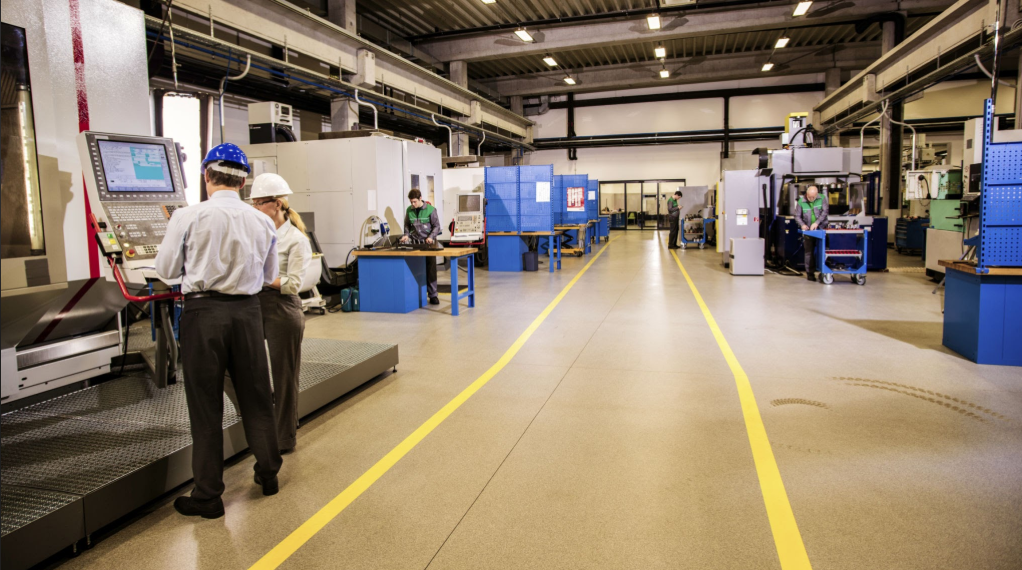
Consider a hypothetical chemical processing plant where a high-pressure valve on a primary reactor fails unexpectedly. The resulting toxic release requires a localized evacuation and triggers a $500,000 third-party property damage claim. Because the plant’s expected annual losses were modeled at only $100,000, this incident severely impacts their Experience Modification Rate (EMR) 5 .
“What gets measured gets managed.”— Peter Drucker
(Note: In actual actuarial practice, weighting formulas soften the blow, but the raw modifier impact is severe).
If the plant’s base premium was $250,000, a heavily penalized EMR of 2.5 (adjusted for industry caps) would spike their new annual premium to $625,000. This $375,000 ongoing annual penalty illustrates precisely why mitigating the initial failure is financially imperative 6 .
To visualize how these variables impact the bottom line, try adjusting the parameters in the interactive calculator below:
EMR Premium Calculator
Experience Modification Rate (EMR) Impact Calculator
*Adjusted Premium reflects a standard industry cap (max 2.5x modifier) applied to the base premium.
Equipment Breakdown Insurance (EBI): Sustaining Liquidity
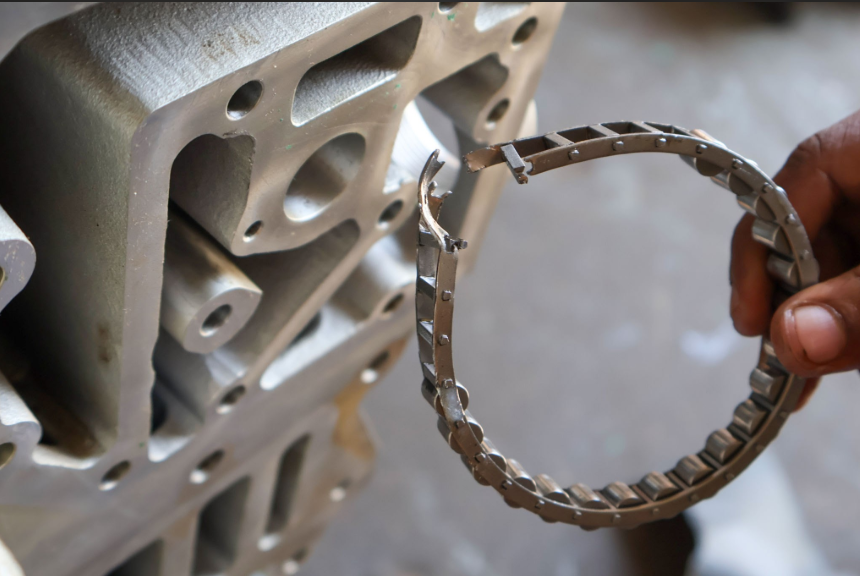
Traditional property insurance policies frequently exclude internal mechanical breakdowns, leaving a dangerous gap in a firm’s defense. Equipment Breakdown Insurance (EBI) bridges this gap by directly addressing the financial disruption that halts the entire value chain. It does not just pay for a broken component; it is designed to replace lost business income 7 .
This coverage sustains liquidity by compensating for the revenue lost and extra expenses incurred during the repair period. Without EBI, a company would be forced to liquidate assets or secure high-interest debt to maintain payroll and operations. By converting unpredictable disaster costs into a predictable monthly premium, EBI acts as a secondary capital market.
Furthermore, premium dollars effectively subsidize predictive maintenance, as insurers often mandate and fund thermal imaging and vibration analysis. This creates a virtuous cycle: the insurance requirement forces better maintenance, which reduces failure rates and lowers future premiums.
Directors and Officers (D&O): Shielding Human Capital
In heavily regulated industries, the exposure to civil claims and strict liability standards has grown exponentially. When a catastrophic operational failure occurs, regulators and shareholders quickly look to executive leadership for accountability. Directors and Officers (D&O) insurance provides the structural shield necessary to protect the personal assets of these decision-makers 1 .
If executives are constantly fearful of personal financial ruin from operational mishaps, strategic decision-making becomes paralyzed. D&O coverage financially indemnifies leadership, allowing them to take calculated, aggressive growth risks without personal exposure. For a deeper understanding of these protective frameworks, review how modern organizations approach D&O liability insurance risk protocols.
Without this layer of defense, attracting and retaining top-tier engineering and executive talent becomes nearly impossible.
Financial Verdict
“Risk comes from not knowing what you’re doing.”— Warren Buffett
Ultimately, the cost-benefit analysis of robust risk mitigation heavily favors proactive policy architecture over reactive capital depletion. The premiums paid for comprehensive General Liability, EBI, and D&O coverage are statistically dwarfed by the compounded costs of litigation, operational downtime, and punitive premium spikes following an uninsured failure. Investing in high-value corporate insurance is not a sunk cost; it is the most highly leveraged mechanism for preserving operational liquidity and defending the balance sheet against catastrophic volatility.