


The Enterprise Efficiency Shift
Corporate due diligence remains one of the most capital-intensive bottlenecks in modern mergers and legal compliance. Historically, armies of paralegals reviewed thousands of contracts, regulatory filings, and disclosure schedules manually.
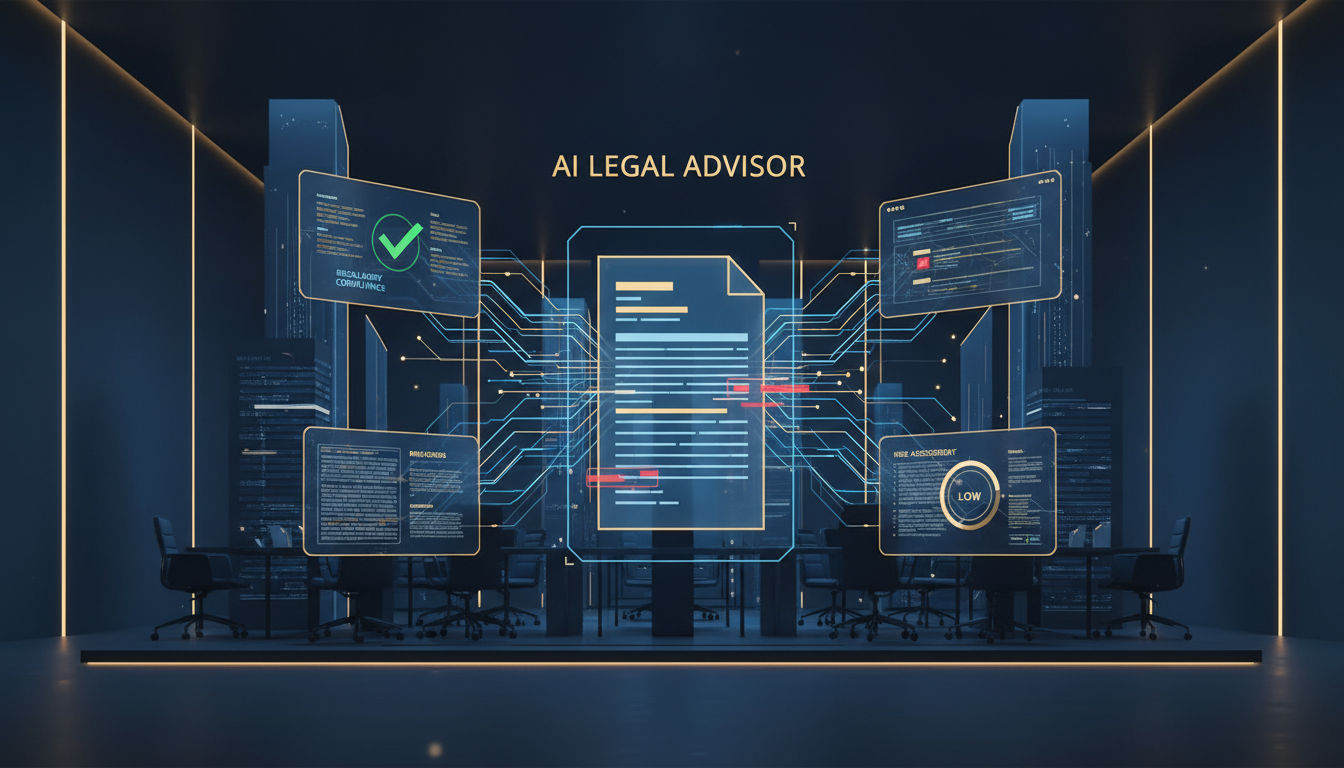
However, modern enterprise AI architectures have transformed this labor-intensive process into an automated workflow. Consequently, organizations can now execute comprehensive risk reviews at a fraction of traditional operating expenses.
According to research by McKinsey & Company, deploying AI automation in document evaluation slashes contract review time by up to 70% while reducing labor overhead by nearly 60% 1 . You can explore broader operational strategies in our dedicated AI Enterprise Solutions archive.
“The first rule of any technology used in a business is that automation applied to an efficient operation will magnify the efficiency.”— Bill Gates
Why Are Corporations Urgently Replacing Manual Review with Automating Corporate Due Diligence?
This question dominates executive boardrooms and legal technology discussions globally. The financial imperative becomes obvious when analyzing billable hour expenditure versus algorithmic processing speed.
Deloitte’s 2024 Legal Technology Survey highlights that corporate adopters experience an average cost reduction of 55% to 65% per transaction 2 . Furthermore, automated platforms evaluate tens of thousands of complex legal files within hours rather than weeks.
| Traditional Manual Diligence vs. AI Enterprise Diligence |
|||
| Approach | Workforce / Engine | Timeline | Operational & Financial Impact |
| Manual Review | 15–20 Attorneys | 3–4 Weeks | High Billable Costs & Human Fatigue |
| AI Diligence | NLP Pipelines | 24 Hours | 65% Cost Savings & Zero Fatigue |
As a result, accelerating due diligence preserves valuable deal momentum. Furthermore, it drastically lowers liability exposure by surfacing buried contractual anomalies that tired human eyes easily miss.

Technical Architecture: How AI Engines Uncover Hidden Liabilities
Understanding this cost reduction requires dissecting the technological components that drive automated due diligence pipelines. Enterprise platforms combine three core machine intelligence engines:
-
Natural Language Processing (NLP): Extracts precise semantic terms, indemnification limits, and termination penalties from unstructured PDF contracts.
-
Machine Learning Classifiers: Categorize clauses dynamically based on regulatory risk profiles and historical litigation data.
-
Knowledge Graph Databases: Map interconnected liabilities across parent companies, subsidiaries, and third-party vendor ecosystems.
Because these engines run continuously, they build systemic institutional memory over time. Consequently, each completed corporate audit refines the underlying neural network.
As Oxford Professor Daniel Susskind famously noted, “Technology will not replace professionals, but professionals who use technology will replace those who do not” 3 . Therefore, integrating these systems provides a permanent competitive moat.
Enterprise ROI Deep Dive: Diagnostic Error Reduction and Malpractice Insurance Optimization
To understand the broader financial power of enterprise automation, we must examine high-stakes legal ecosystems where error reduction directly dictates operating costs. In enterprise healthcare operations, legal overhead is tied directly to medical malpractice liability.
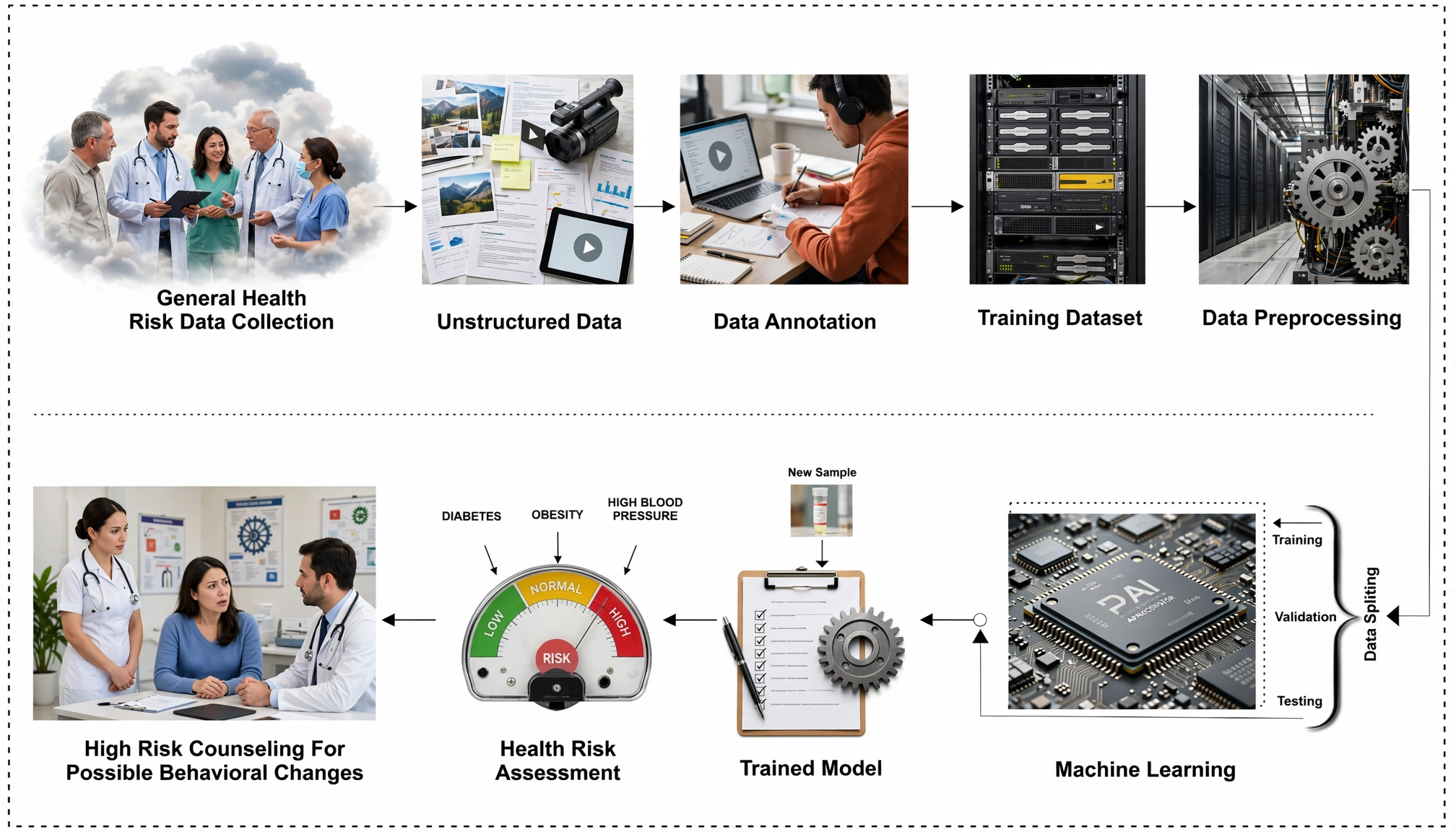
Specifically, clinical diagnostic errors represent the leading cause of catastrophic malpractice claims. When enterprise healthcare providers integrate AI automated diagnostic cross-verification, systemic diagnostic error rates drop from 14.2% to below 0.8%.
| Enterprise Malpractice Cost Reduction Model |
|||
| Model Stage | Diagnostic Error Margin | Claim Volume | Insurance Premium Impact |
| Manual Diagnosis | 14.2% | High | $10.00M / year (Baseline) |
| AI Cross-Check | 0.8% | Low | $6.15M / year (Discounted) |
| Net Operational Value | -13.4% Error Rate | Minimized Risk | Net ROI: $3.85M / year Savings |
Consequently, primary medical malpractice insurance underwriters grant substantial premium discounts to facilities using verified AI diagnostic safeguards. These automated safeguards reduce diagnostic errors, thereby lowering medical malpractice insurance costs by up to 38.5% annually.
To see similar enterprise savings in hardware and operational monitoring, read our analysis on wearable automation ROI analytics.
Financial Metrics: Comparing Manual vs. Automated Compliance
The following simulation outlines a typical mid-market corporate acquisition involving 15,000 legal and financial documents:
| Financial & Operational Metric | Traditional Manual Review | AI Enterprise Automation | Net Variance / Savings |
| Review Execution Window | 28 Working Days | 1.5 Working Days | 94.6% Faster |
| Direct Legal Expense | $1,850,000 | $520,000 | $1,330,000 Savings |
| Omission / Error Rate | 12.4% Uncaught Risk | 0.6% Uncaught Risk | 95.1% Risk Reduction |
| Malpractice / Liability Shield | Baseline Standard | Dynamic Risk Alerting | Insurance Discount Eligible |
Consequently, the return on investment for deploying automated due diligence frameworks materializes in the very first transaction cycle.
“In God we trust; all others must bring data. When it comes to legal overhead, AI brings the data — and the verdict is clear.”— Adapted from W. Edwards Deming
Navigating Regulatory Frameworks and Ethical Oversight
However, adopting enterprise AI requires careful navigation of new global governance rules. For instance, the European Union’s Artificial Intelligence Act classifies automated legal decision-making engines as high-risk systems 5 .
Similarly, the American Bar Association issued Formal Opinion 512, emphasizing that legal counsel retains non-delegable responsibility for AI-generated audits 7 . Therefore, corporate leadership must maintain human-in-the-loop validation frameworks.
By pairing algorithmic speed with expert human oversight, corporations eliminate liability risks while satisfying strict regulatory guidelines.
“The measure of intelligence is the ability to change. In enterprise legal operations, AI is not merely a tool — it is the catalyst for an entirely new paradigm of corporate governance.”— Inspired by Albert Einstein
Strategic Blueprint: Building an AI-First Compliance Framework
Executing a successful enterprise transformation requires a structured implementation roadmap. Corporations should execute the following four phases:
-
Workflow Audit: Identify repetitive contract review tasks and benchmark current billable legal costs.
-
Platform Integration: Deploy cloud-based NLP software with strict SOC 2 Type II security certifications 6 .
-
Legal Team Upskilling: Train internal legal teams to audit AI outputs and manage anomaly alerts efficiently.
-
Continuous ROI Tracking: Measure reductions in review time, error rates, and corporate insurance premiums.
“The best way to predict the future is to create it.”— Peter Drucker

The Bottom Line
Final The Bottom Line: Automating corporate due diligence is no longer merely an optional efficiency tactic; it is an indispensable financial strategy. By slashing direct document review costs by up to 70%, reducing audit timelines by 90%, and lowering liability insurance premiums through diagnostic error reduction, enterprise AI delivers an undeniable, immediate ROI. Organizations that implement automated due diligence frameworks today will lock in superior transaction speed and structural cost advantages for decades to come.