


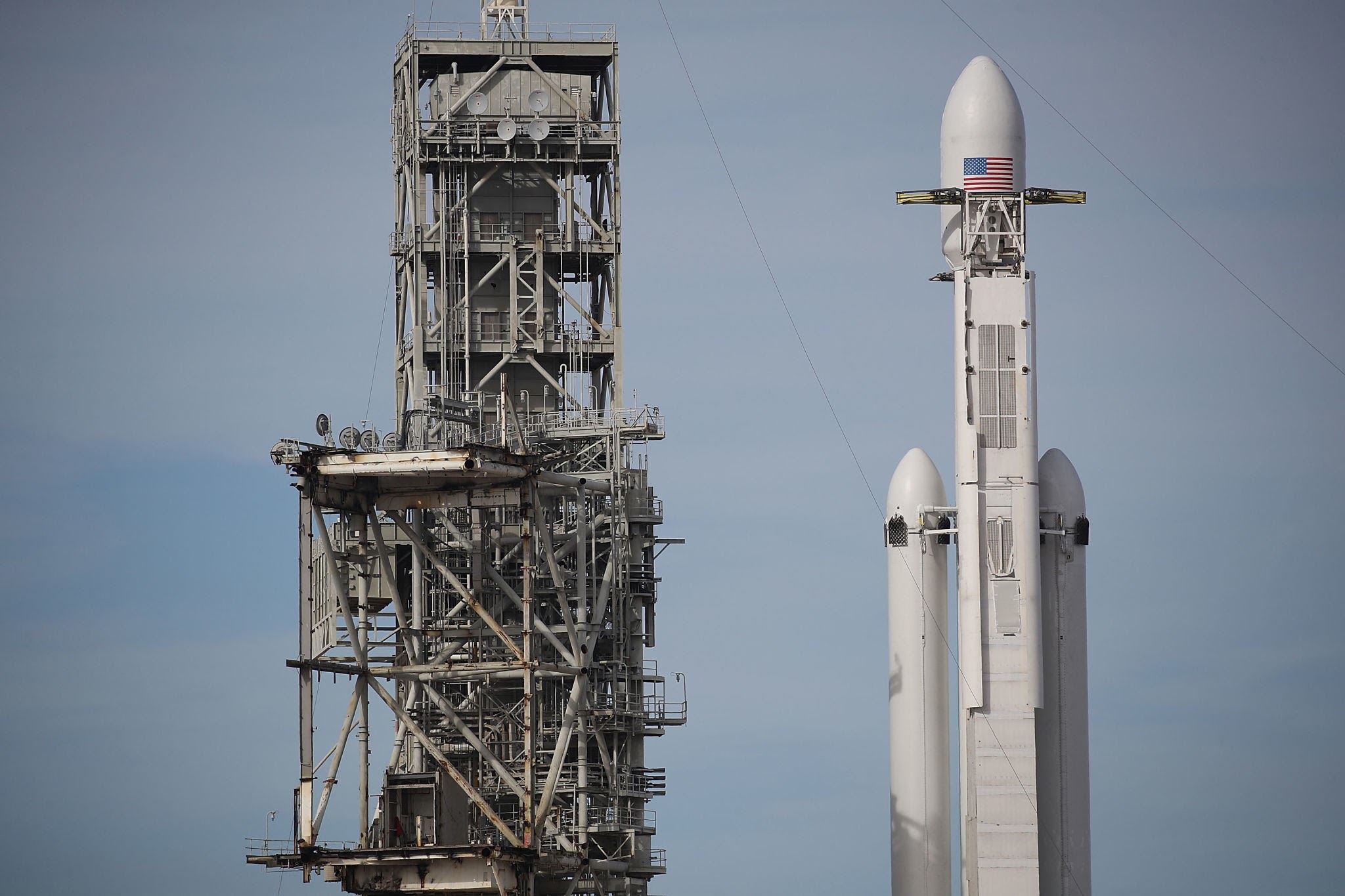
Aerospace Economics: Maximizing Orbital ROI
As public markets begin to absorb and quantify aerospace risk, the valuation of orbital assets is rapidly transforming from speculative venture capital bets into stable, yield-driven infrastructure plays. This financial evolution allows institutional investors to accurately model the long-term ROI of reusable rocket fleets, treating them with the same fiscal rigor as traditional maritime or aviation logistics networks.
The Financial Mechanics of Aerospace Public Capital
The recent surge in SpaceX’s valuation following its public market debut signals a fundamental shift in global aerospace economics 1 . Institutional capital is no longer merely funding exploration; it is actively pricing the logistical infrastructure of low-Earth orbit operations.
“Technology is a resource-liberating mechanism. It can make the once scarce now abundant. By turning rockets into depreciable fleet infrastructure, we are unlocking the most valuable supply chain of the 21st century.”— Peter H. Diamandis, Founder of XPRIZE and Author of The Future Is Faster Than You Think
For corporate logistics and satellite deployment sectors, this influx of public capital drastically reduces the Cost of Capital for heavy-lift launch vehicles 2 . This financial pivot transitions aerospace ventures from high-risk experimental engineering to predictable commercial supply chains.
Is Space Logistics the Next Trillion-Dollar Supply Chain?
By stabilizing the financial foundation, the company can now amortize the massive initial development costs over a larger volume of commercial payloads. This creates a cascading effect of operational cost-reduction for any enterprise relying on orbital deployment 3 .
“A fully and rapidly reusable orbital rocket is the fundamental breakthrough needed to make humanity a spacefaring civilization—and it changes the economics of space entirely.”— Elon Musk
CAPEX vs. OPEX: Launch Infrastructure Viability Projection
| Metric (Heavy-Lift Launch) | Pre-IPO Baseline (Private Risk) | Post-IPO Projection (Public Capital) | Delta (Financial Impact) |
| Payload Cost per Kg | $2,500 | $1,200 | -52% (OPEX Reduction) |
| Capital Cost (WACC) | 14.5% (High Risk Premium) | 8.2% (Market Stabilized) | -43% (Capital Efficiency) |
| Liability Insurance Premium | 12% of Payload Value | 7.5% of Payload Value | Favorable Risk Pricing |
| R&D Amortization Cycle | 15 Years | 8 Years | Accelerated ROI |
Risk Management and Market Volatility in Aerospace Ecosystems
The transition from private equity to public markets introduces strict regulatory scrutiny regarding operational safety and liability exposure. Aerospace firms must now quantify catastrophic risk models with the same mathematical precision applied to traditional corporate governance 4 .
Consequently, Directors and Officers (D&O) liability insurance premiums for aerospace executives are undergoing massive recalibration 5 . Insurers demand rigorous stochastic modeling to underwrite policies, moving away from subjective risk assessments toward purely data-driven actuarial tables.
For enterprise investors, this means the risk of total capital loss is mitigated through highly structured financial safety nets. The primary focus shifts from the binary risk of a single launch failure to optimizing the long-term margins of continuous payload delivery 6 .
The Engineering Economics of Reusability
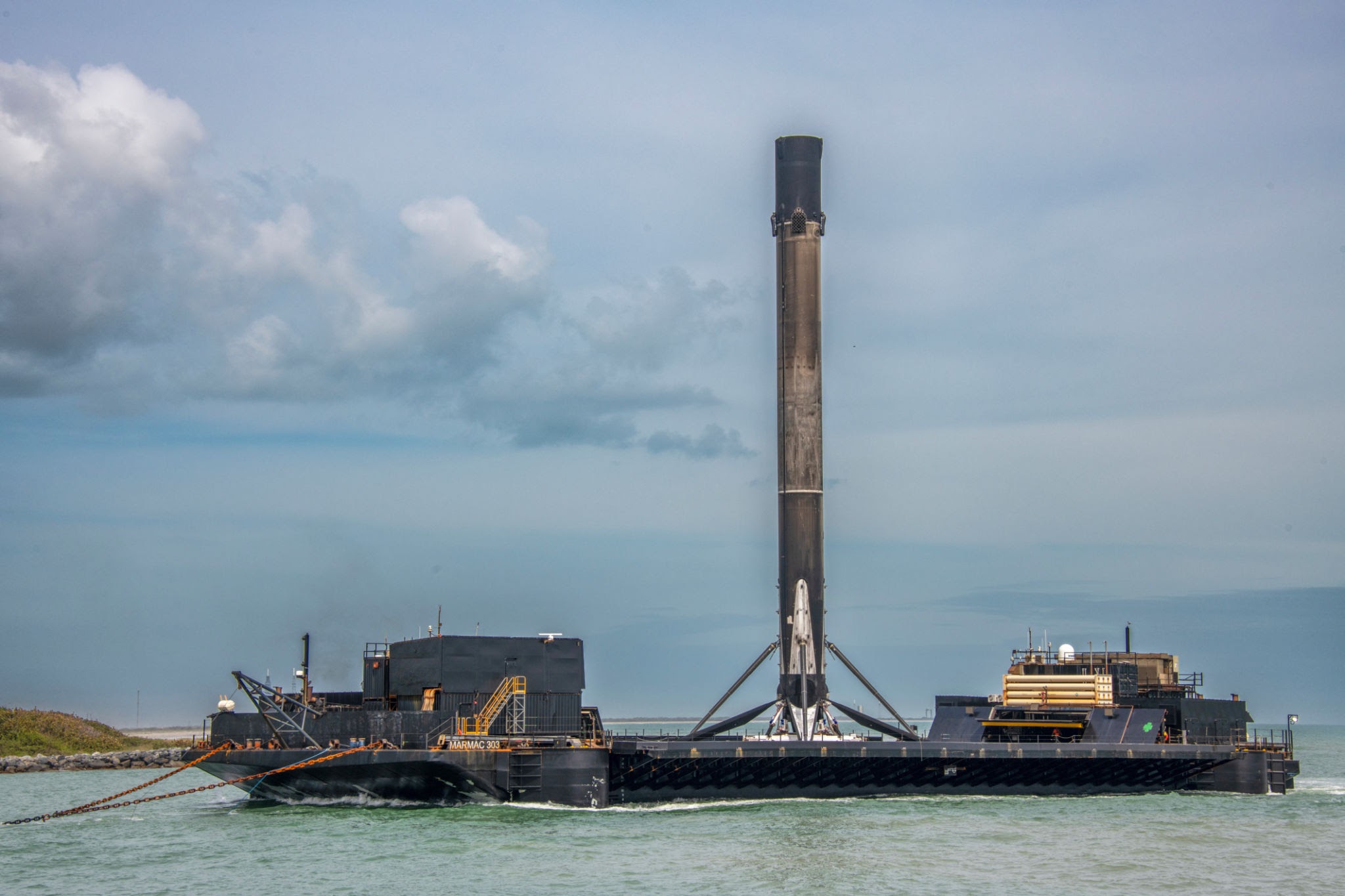
From a mechanical engineering and thermodynamic standpoint, the kinematic efficiency of reusable launch systems fundamentally alters the depreciation schedule of aerospace assets. Instead of writing off millions in single-use hardware, the vehicle becomes a standard depreciable capital asset on the balance sheet.
“If you want to be a spacefaring civilization, you have to have reusable rockets. You don’t throw away your airplanes after a one-way trip from LA to New York. The same economic laws must apply to orbit.”— Gwynne Shotwell, President and COO of SpaceX
This operational shift requires advanced predictive maintenance algorithms to monitor structural fatigue and thermal stress after each flight 7 . The operational expenditure (OPEX) is thus heavily concentrated on rapid turnaround diagnostics rather than the manufacturing of entirely new propulsion units.
✦ ALSO READ ✦ROI Predictive Maintenance in Aviation Economics
By isolating these variables, financial auditors can accurately project the lifecycle cost of a fleet, treating rockets with the same amortization logic applied to heavy-duty commercial aviation networks.
Financial Verdict: The Cost-Benefit of Orbital Logistics
Ultimately, the influx of institutional capital into aerospace infrastructure turns orbital logistics into a viable, predictable extension of global corporate supply chains. The mathematical ROI is no longer a theoretical projection; it is a measurable corporate metric driven by payload capacity, fuel cost mitigation, and launch frequency 8 .
Enterprise leadership and Chief Financial Officers (CFOs) must now view aerospace integration not as speculative R&D, but as a strategic asset class. Companies that systematically leverage this stabilized infrastructure will secure unprecedented operational efficiency in global communication and physical distribution networks.