


Introduction.
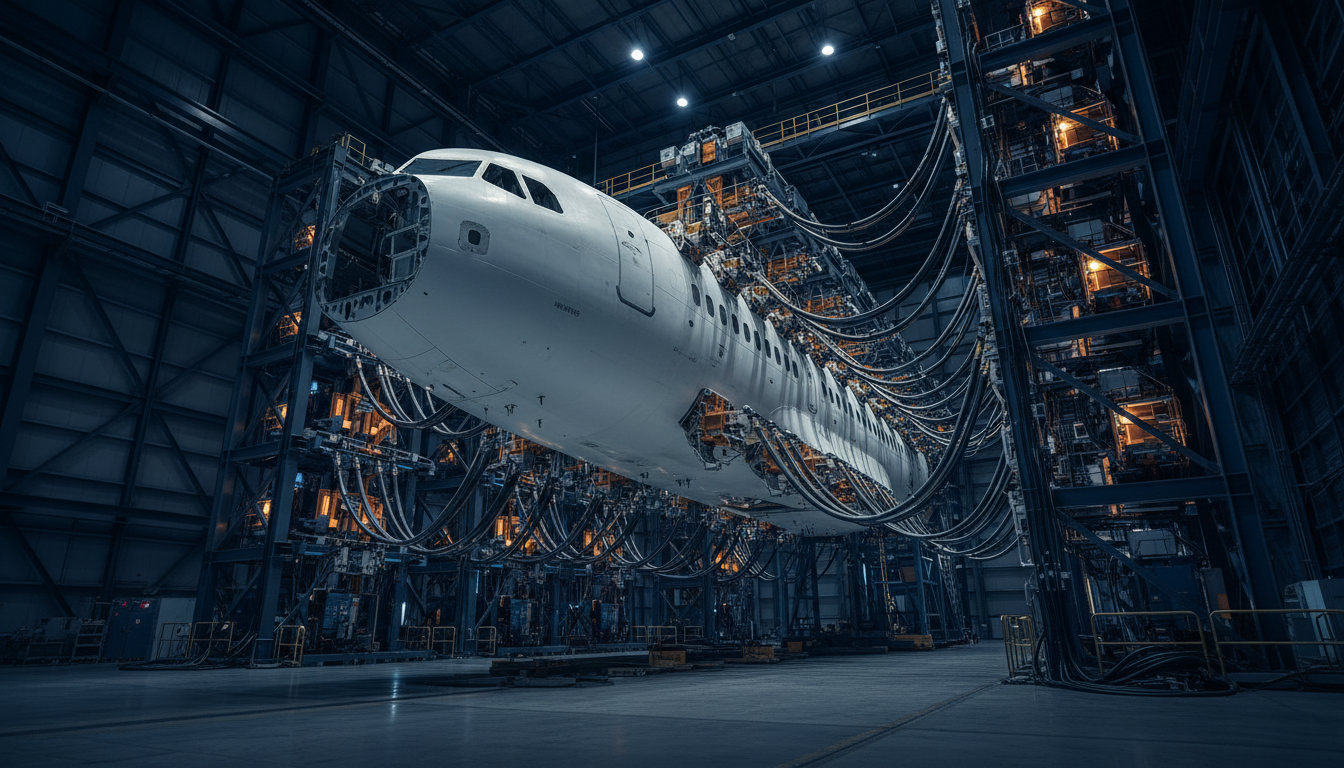
The aerospace industry operates precisely at the intersection of extreme physics and rigid financial constraints. Historically, engineers chased the sound barrier, but modern aerospace safety compliance demands breaking the “certification barrier.” Ultimately, this regulatory mandate dictates project solvency.
Specifically, material fatigue testing drains enormous capital during aircraft development. Progressive structural damage from cyclic loading requires exhaustive validation. Furthermore, disruptive orbital projects face staggering financial hurdles to prove their flight-worthiness 1 .
Therefore, aerospace firms must aggressively balance technological innovation with the grueling economic demands of structural analysis. Consequently, open skies only welcome those who can finance the admission price. Analytical Verdict: The financial weight of compliance dictates market survival, forcing companies to prioritize certification capital over mere aerodynamic performance.
Why Does Aerospace Safety Compliance Cost Billions Before a Plane Even Flies?
What exactly drives aerospace safety compliance costs into the billions before delivering a single commercial aircraft? Primarily, the answer lies in the exhaustive duration and complexity of mandatory physical testing infrastructure.
The Economics of Structural Integrity and Material Fatigue
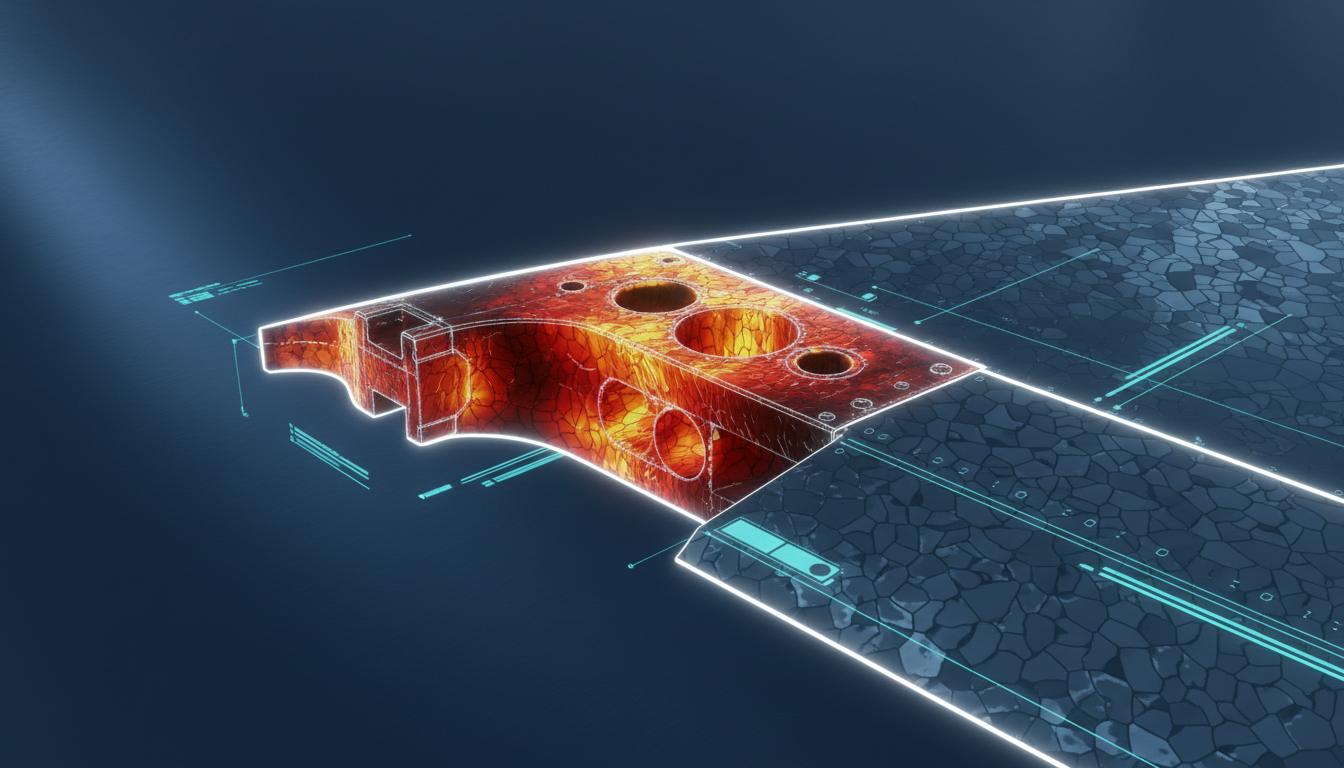
Material fatigue testing requires massive, upfront capital investments rather than simple laboratory experiments. Specifically, securing a Type Certificate mandates thousands of hours of full-scale fatigue testing (FSFT). As a result, engineers simulate three times the expected operational lifespan 1 .
In addition to physical hardware, financial models must aggressively calculate the “cost of delay.” Essentially, every month spent inside the fatigue rig represents lost revenue in commercial service. Therefore, schedule overruns immediately trigger steep financial penalties.
“Quality means doing it right when no one is looking.”— Henry Ford
Indeed, “doing it right” in modern aviation involves millions spent on complex sensor arrays and data processing. Furthermore, transitioning to carbon-fiber reinforced polymers (CFRP) actively shifts expenses toward advanced non-destructive inspection (NDI) protocols 6 .
Consequently, while composites deliver fuel efficiency, they introduce entirely new, specialized testing expenditures. In my opinion, executives must transparently communicate these certification realities. Otherwise, unrealistic investor expectations inevitably produce catastrophic testing-phase budget crises. Financial Verdict: Fatigue testing acts as a strict capital filter; delays compound opportunity costs, instantly erasing operational profit margins.
The Ukrainian Capsule Paradox: Financial Risks of Orbital Disruption
Navigating aerospace safety reveals how rigid certification frameworks financially strangle next-generation orbital hardware. Specifically, disruptive projects frequently hit a massive “Compliance Wall” during structural validation.
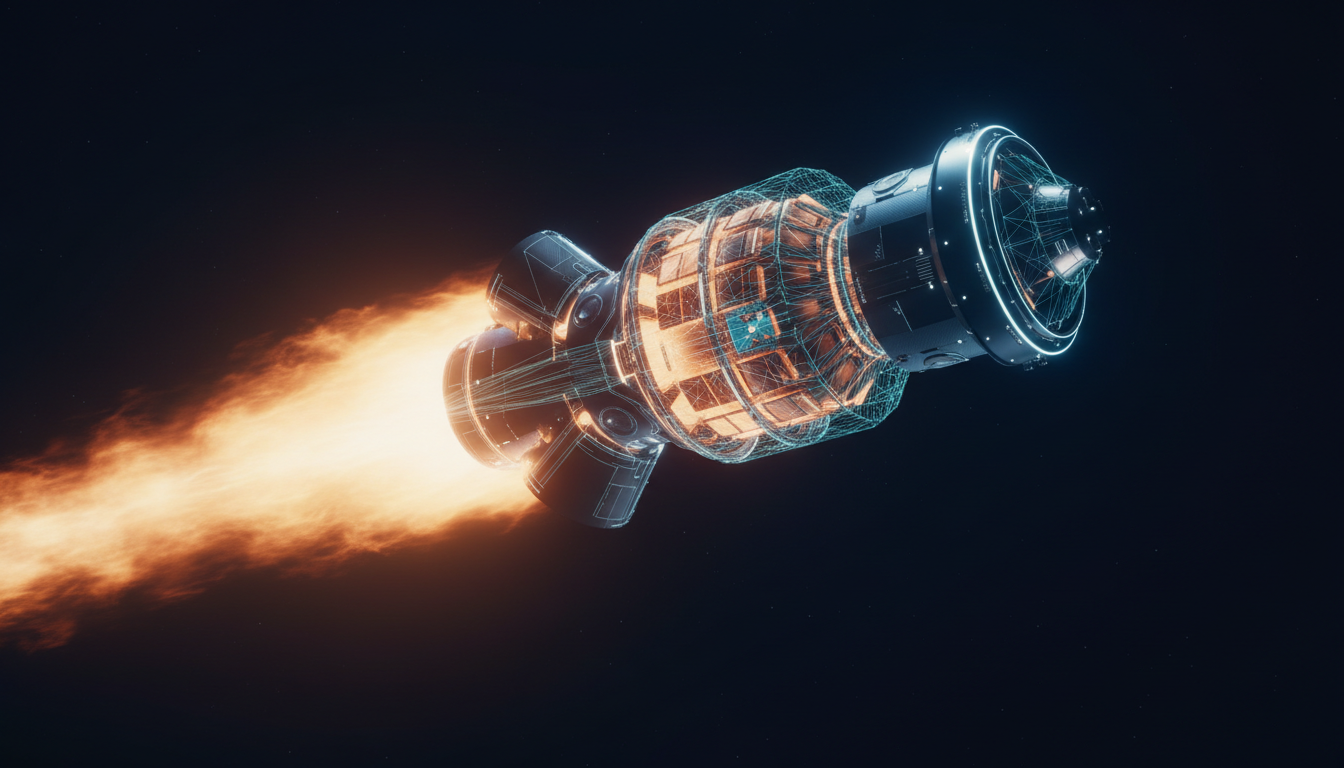
For example, the aviation rescue capsule economics of the Ukrainian project demonstrates this perfectly. Unlike standard jets, re-entry capsules face extreme thermal cycling and ablative degradation. Consequently, these aerodynamic loads completely defy legacy commercial certification assumptions 3 .
“The history of science is the history of the displacement of conceptual barriers.”— Thomas Kuhn
However, international law and enormous financial burdens heavily reinforce these aerospace barriers. Analyzing the Ukrainian project highlights a brutal reality. Specifically, creating a brand-new safety framework for unproven materials can bankrupt a disruptive venture 5 .
Start-ups and the Cost of Regulatory Navigation
Consequently, innovative start-ups rarely fail due to flawed engineering. Instead, the staggering cost of aerospace safety compliance completely depletes their venture capital runway. Furthermore, negotiating special conditions with the FAA or EASA can consume years 4 .
This dynamic forces a critical strategic question. Should international bodies engineer expedited certification pathways for disruptive orbital technologies? In my view, they absolutely must, provided strict safety standards remain intact. Analytical Verdict: Start-ups must secure triple their engineering budget specifically for regulatory compliance, as the financial burn rate of establishing new safety frameworks often exceeds hardware R&D.
Automated Fatigue Analysis: ROI of Digital Twins in Certification
To mitigate astronomical testing costs, aerospace manufacturers are aggressively pivoting toward “Digital Twins.” Essentially, a Digital Twin operates as a high-fidelity virtual replica of the physical aircraft. By utilizing advanced simulations, engineers accurately predict material fatigue locations instantly.
As a result, front-loading this structural analysis drastically reduces required physical test iterations. Consequently, major aerospace programs can save hundreds of millions of dollars per development cycle. Therefore, this digital strategy fundamentally reshapes the financial calculus of flight-worthiness 7 .
Certification by Analysis (CbA) as a Financial Strategy
In my professional opinion, the “Certification by Analysis” (CbA) movement represents the future of aerospace safety compliance. While physical testing remains essential, front-loading financial analysis through digital modeling ensures economic sustainability. Moreover, regulatory agencies now increasingly accept simulation data 8 .
“Simplicity is the ultimate sophistication.”— Leonardo da Vinci
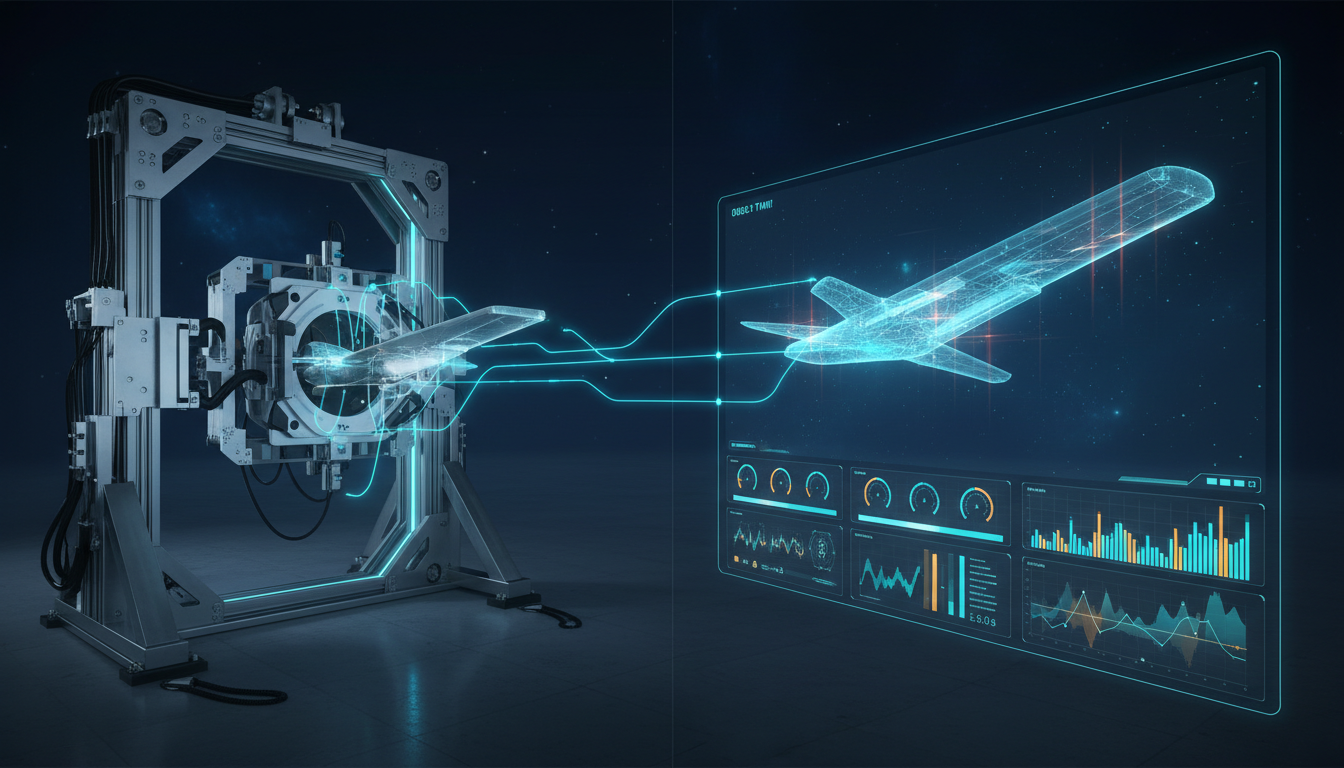
By reducing reliance on destructive physical tests, sophisticated digital models drastically accelerate market entry. Consequently, programs investing early in Digital Twin infrastructure routinely recover costs within their first certification cycle. Financial Verdict: Digital Twins transition compliance from a sunk operational cost into a leveraged asset, yielding an ROI that fundamentally protects the broader project balance sheet.
Conclusion
Ultimately, aerospace safety compliance acts as the sky’s most rigorous and expensive gatekeeper. The true financial cost of material fatigue testing lives in engineering hours and strategic regulatory navigation. Nevertheless, safety remains an investment yielding the ultimate dividend: preserving human life.
Moving forward, integrating precise financial analysis into early aerospace engineering phases dictates which projects survive. Furthermore, Digital Twins and AI-driven structural monitoring make compliance costs vastly more predictable. Analytical Verdict: Organizations that financially weaponize certification strategies, rather than treating them as mere regulatory burdens, will undoubtedly dominate the next century of commercial and orbital aviation.
Fatigue Testing Estimator: Fast UX Guide
The Fatigue Testing Estimator is designed to provide users with a real-time, interactive financial simulation of aerospace safety compliance costs. Based on the layout shown in fatigue.png, the interface uses a dark, high-contrast design that allows users to instantly visualize the financial impact of their engineering and regulatory decisions.
Here is how a user should interact with the calculator:
1. Define the Core Parameters (Left Column)
-
Aircraft / Project Type: The user begins by selecting the scale of their project (e.g., Regional Jet, Narrow-body, Wide-body, or Capsule / Disruptive). This sets the base financial threshold.
-
Structural Material: Next, the user selects the primary airframe material (e.g., Aluminum Alloy, CFRP Composite, Titanium, or Hybrid Material).
-
Certification Authority: Finally, they select the regulatory hurdle (e.g., FAA, EASA, Both, or ICAO for disruptive models).
2. Adjust the Variable Sliders (Bottom Left) Users can fine-tune the financial simulation by dragging the sliders to reflect specific project realities:
-
Test Articles: Selects the number of physical prototypes required (1 to 5).
-
Digital Twin Adoption: Adjusts the percentage of virtual simulation used (0% to 100%) to see immediate cost reductions.
-
NDI Complexity: Sets the non-destructive inspection burden (0% to 100%).
-
Schedule Pressure: Factors in the “cost of delay” and expedited timelines (0% to 100%).
3. Analyze the Financial Output (Right Column)
As seen The Fatigue Calculator, the tool provides immediate visual feedback:
-
Total Estimated Cost: The massive top-line number updates dynamically as parameters change (e.g., showing $286.1M based on the selected narrow-body/CFRP parameters).
-
Digital Twin Savings: A highlighted metric (in teal) explicitly shows the exact dollar amount saved by leveraging digital simulation (e.g., $18.7M saved via Digital Twin in fatigue.png).
-
Cost Breakdown: The interactive horizontal bars dynamically fill to visually distribute the budget across Physical Testing, NDI/Inspection, Engineering Hours, Regulatory, and Contingency expenses.
Estimate the financial impact of safety compliance scenarios.
Fatigue Testing Estimator