



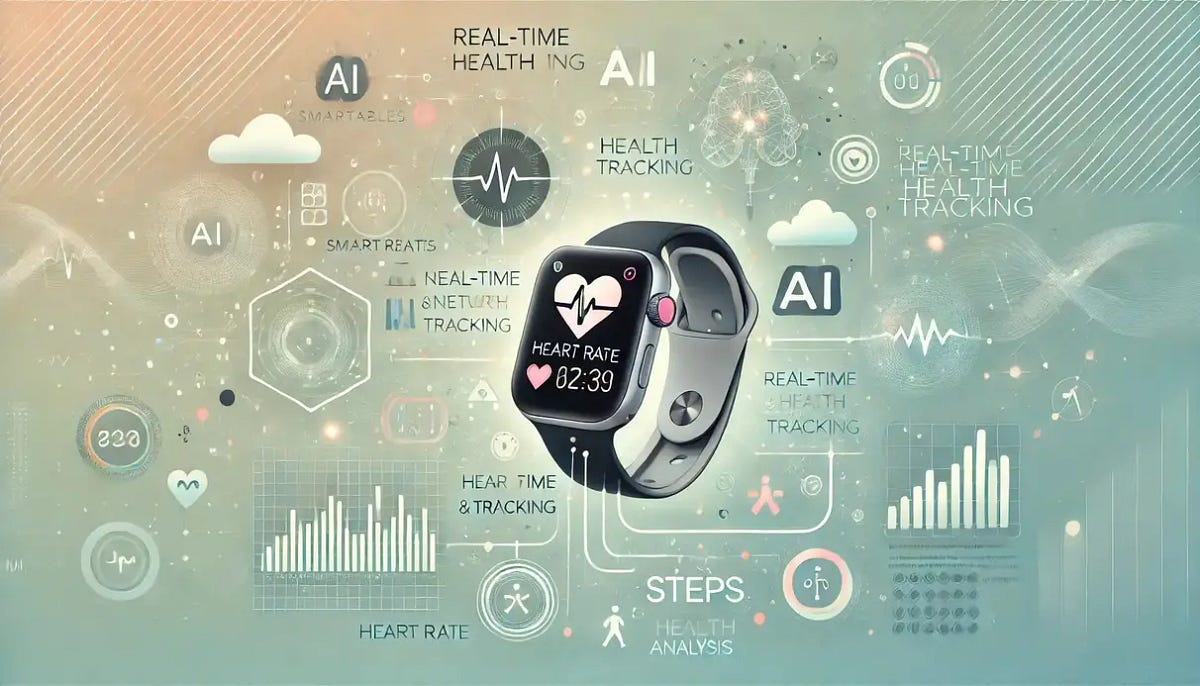
AI smartwatches and medical wearables are not just ideas from the future. Instead, they are bringing real financial savings and exact medical data to busy clinics right now. Furthermore, constant health tracking, smart predictions, and tools that reduce mistakes are completely changing how we pay for long-term care. As a result, they are greatly improving patient health.
The Staggering Cost of Chronic Conditions
First of all, AI wearables are no longer science fiction. Instead, they give busy clinics real financial help and clear medical facts. In addition, non-stop tracking, smart data, and fewer mistakes are changing the business of long-term care. Consequently, they improve patient results in a big way
1
.
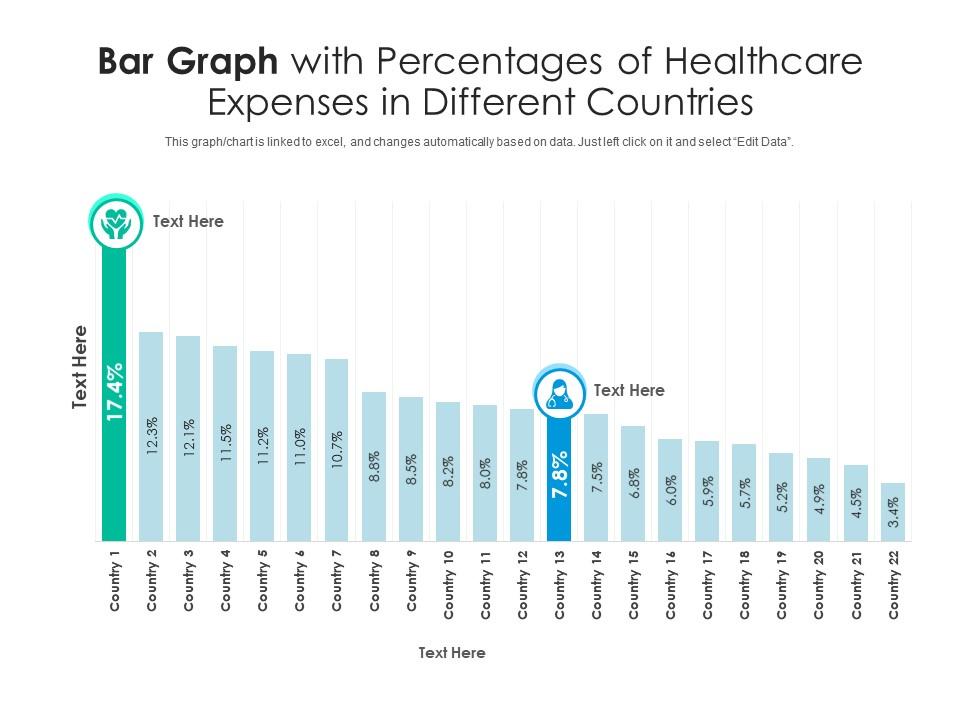
Currently, long-term illnesses use up 90% of the $4.9 trillion the U.S. spends on healthcare every year. Moreover, experts expect these costs to hit $47 trillion between 2024 and 2039. For instance, clinic owners treating diabetes, heart failure, lung disease, and high blood pressure face major problems. Specifically, these issues lead to huge fines when patients return to the hospital, longer hospital stays, and lower profits.
How AI Wearables Change Healthcare Economics
Fortunately, smart wearables completely change this situation. Because they provide nonstop body data, they allow doctors to step in early. Therefore, they greatly cut down on useless hospital visits and reduce expensive medical mistakes
2
.
Recently, studies show that using AI could save the U.S. healthcare system up to $360 billion a year. Importantly, wearables for long-term care bring in a lot of these savings. By catching problems early, doctors stop diseases from getting worse. As a result, this directly protects the money clinics make.
Regulatory Support for Digital Health
Additionally, new laws are supporting this change in technology. For example, the HITECH Act encourages doctors to use digital health records and connected devices in useful ways
3
. Similarly, updates to the Affordable Care Act (ACA) push for care that is based on quality. Consequently, these rules reward clinics that use tools to check on patients from home
6
.
Overcoming the Financial Burden on Clinics
Without modern tools, health centers face constant pressure from high costs. Moreover, having more than one long-term illness causes nearly 50% of all health spending. In fact, patients with three or more health problems use up far more resources. As a result, returning to the hospital and visiting the emergency room add thousands of dollars to each patient’s yearly cost.
“The greatest medicine of all is to teach people how not to need it.” — Hippocrates.
Indeed, AI wearables put this old wisdom into action using modern health data streams.
First, finding problems early using wearables stops diseases from getting worse. Furthermore, studies on AI health tracking show big drops in emergency room visits and hospital stays. Ultimately, this protects clinic profits and keeps their healthcare quality scores high.
Predictive Analytics and Error Reduction
Basically, AI wearables change modern medicine from reacting to problems, to predicting them before they happen. For instance, nonstop blood sugar monitors, heart patches, and smartwatches send lots of health data into smart computer programs. Subsequently, these programs can predict symptom flare-ups hours or even days ahead of time
4
.
For example, smart tools in health monitors can now predict dangerous blood sugar changes or lung disease attacks with extreme accuracy. Because of this exactness, doctors can make early changes that stop hospital visits. In one case, a wearable designed for Parkinson’s disease saved millions of dollars. It achieved this by improving treatments and keeping patients out of nursing homes.
“Innovation distinguishes between a leader and a follower.” — Steve Jobs.
Streamlined Workflows and Compliance
In medicine, AI wearables show exactly what this quote means. Specifically, they turn basic numbers into useful medical facts. As a result, they cut down on slow diagnoses and human mistakes. Additionally, clinics that use these tools say their daily work is much smoother, and they order fewer useless tests. Furthermore, these benefits lead directly to better patient survey scores and lower risks of lawsuits. To keep everyone safe, legal rules—like the FDA’s framework for software as a medical device (SaMD)—make sure these AI tools pass strict safety tests
5
.

Clearly, clinics using these tools enjoy simpler daily routines and fewer useless tests. Most importantly, patients follow their treatment plans better. Therefore, this directly leads to higher patient satisfaction scores and less legal risk.
Quantifying ROI and Clinical Processes
Overall, the financial reasons to use digital health are very strong. In fact, AI wearables have shown they can save 30% to 45% during very expensive health events. They achieve this by lowering the number of patients returning to the hospital and using resources better. On a larger scale, using AI already stops tens of thousands of repeat tests every year. Thus, they promise huge savings for every clinic.
Profitability and Patient Outcomes
To illustrate, imagine a medium-sized clinic treating 500 patients with long-term diseases. According to careful estimates, the clinic will get its money back in just 12 to 18 months. Mainly, this profit comes from sending fewer people to the emergency room and getting paid more for managing long-term care. In the long run, wearables help patients live healthier lives. At the same time, they lower the lifetime care cost for each patient.
Undeniably, AI wearables make this future profitable today.
“The future of medicine will be data-driven and patient-centered.” — Dr. Eric Topol (paraphrased from his writings on digital health). AI wearables make this future profitable today.
Conclusion: A Strategic Imperative for Forward-Thinking Clinics
This way, AI wearables are absolutely not an experiment anymore. Instead, they are a proven tool for making money and helping patients. Concurrently, they reduce medical mistakes, shrink costs, and raise the quality of care. For doctors dealing with very tight budgets, the choice is clear. Either adopt this technology now, or risk falling behind the competition.
Without a doubt, the technology is ready, and the profits are well-proven. Therefore, clinics that add AI wearables today will lead the medical field tomorrow. Ultimately, they will provide better health at a lower cost, while making their financial future much stronger.
References
| Disclaimer: This article is provided for informational purposes only and does not constitute professional advice. The statistics cited reflect publicly available reports at the time of writing. Readers should verify current data before making business decisions. |