




Achieve significant corporate tax reductions by making targeted investments in solar energy and water efficiency initiatives. Discover how environmental tax credits can boost liquidity, lower overhead expenses, and establish your company as a frontrunner in sustainability—before key incentives expire in 2026.
In today’s competitive landscape, corporate tax liabilities are more than a line item—they directly impact liquidity, shareholder value, and strategic agility. Forward-thinking owners and engineers are discovering that sustainable infrastructure projects, particularly solar energy installations and water-efficiency systems, deliver dual returns: environmental stewardship and measurable financial relief.
Under the One Big Beautiful Bill Act (OBBBA) framework effective in 2026, key business-oriented green tax credits remain accessible—though with firm deadlines. The Investment Tax Credit (ITC under Section 48E) and Production Tax Credit (PTC under Section 45Y) for solar and wind, alongside the Section 179D Energy Efficient Commercial Buildings Deduction, still offer dollar-for-dollar reductions in federal tax liability. These incentives directly improve cash flow by lowering quarterly estimated payments and accelerating payback periods on capital expenditures.
Business leaders who act before July 2026 construction-start deadlines can secure up to 30%+ credits on qualified solar investments while simultaneously slashing long-term fixed costs through reduced utility bills. As one industry leader noted, “Renewable energy is a clear winner when it comes to boosting the economy and creating jobs.” — Tom Steyer. The same principle applies internally: sustainability now drives profit.
Understanding Green Tax Credits in 2026: Mechanisms That Matter
Green tax credits operate as direct offsets against corporate tax liability, unlike deductions that merely reduce taxable income. The ITC provides an immediate credit equal to a percentage of qualified investment costs in solar, energy storage, and related equipment—base rate remains attractive at 30% with potential bonuses for prevailing wage and domestic content compliance. The PTC rewards actual clean-energy production over the first 10 years, delivering inflation-adjusted per-kilowatt-hour benefits.
Section 179D allows immediate expensing (up to $5 per square foot when prevailing-wage requirements are met) for energy-efficient improvements in commercial buildings—lighting, HVAC, and envelope upgrades that frequently incorporate water-efficiency measures such as low-flow systems and rainwater harvesting. Construction must begin by June 30, 2026, creating genuine urgency for project owners and engineers.
These mechanisms do more than reduce taxes—they monetize sustainability. Credits can be transferred or monetized, converting future tax savings into immediate cash for reinvestment. “Businesses should solve a problem for society, and profit is society’s way of rewarding you for contributing,” reflects the strategic reality: green projects align ESG goals with superior cash-flow outcomes.

Solar Energy and Water Efficiency: Real-World Projects Delivering Results
Real-world projects now combine solar irrigation with AI-driven leak detection. In Jordan, one system cut water loss by 35% while powering 200 farms renewably. As energy thinker Amory Lovins wrote, “Climate change is not a problem to be solved, but an opportunity to be seized.”
“Climate change is not a problem to be solved, but an opportunity to be seized.” — Amory Lovins, Rocky Mountain Institute
Lovins reframes crisis as advantage. His decades of practical efficiency work prove that solar and water projects pay for themselves—faster than most assume.
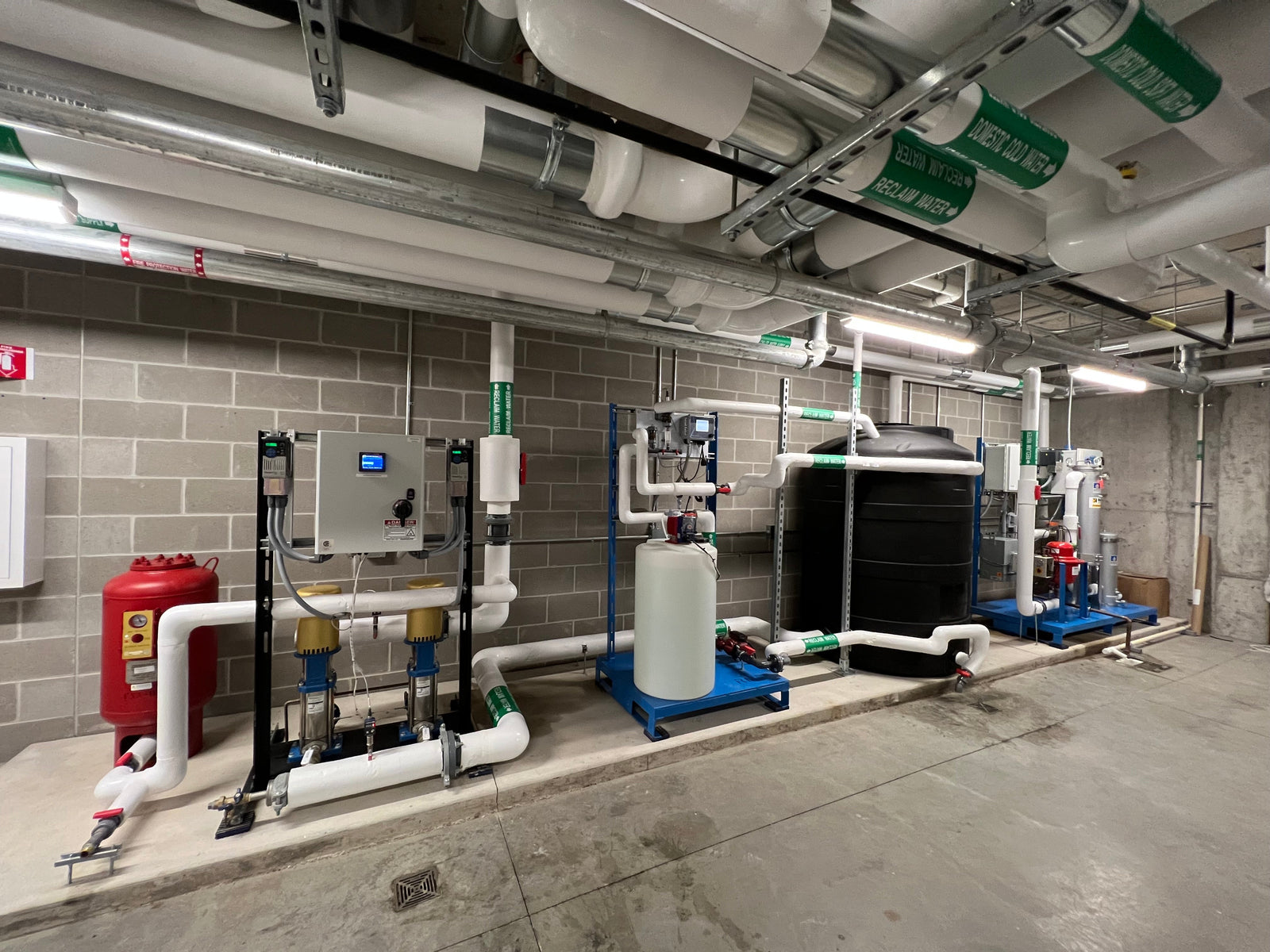
Solar installations on corporate campuses or industrial facilities exemplify the power of the ITC. A mid-sized manufacturing plant installing a 500 kW rooftop array can claim 30%+ of project costs as a direct tax credit while generating 20–40% lower electricity bills for decades—directly reducing fixed operating expenses. Water-efficiency retrofits, often bundled under 179D, further amplify savings: rainwater harvesting and greywater recycling systems cut municipal water demand and the energy required to heat or pump it.
Case studies from commercial real-estate portfolios show combined solar-plus-efficiency projects routinely achieve payback periods under five years when tax credits are factored in. Fixed costs—once locked into utility contracts—become variable advantages. Engineers who integrate these systems report not only compliance with tightening ESG reporting standards but also enhanced asset valuation at sale or refinance.
Quantifying Cash-Flow Gains and Fixed-Cost Reductions
The financial math is compelling. A $2 million solar project eligible for a 30% ITC yields $600,000 in immediate tax savings—cash that can be redeployed rather than paid to the IRS. Add annual energy savings of $150,000–$250,000 and the net present value skyrockets. Water-efficiency measures frequently deliver 15–30% reductions in water-related utility costs, further compressing fixed overhead.
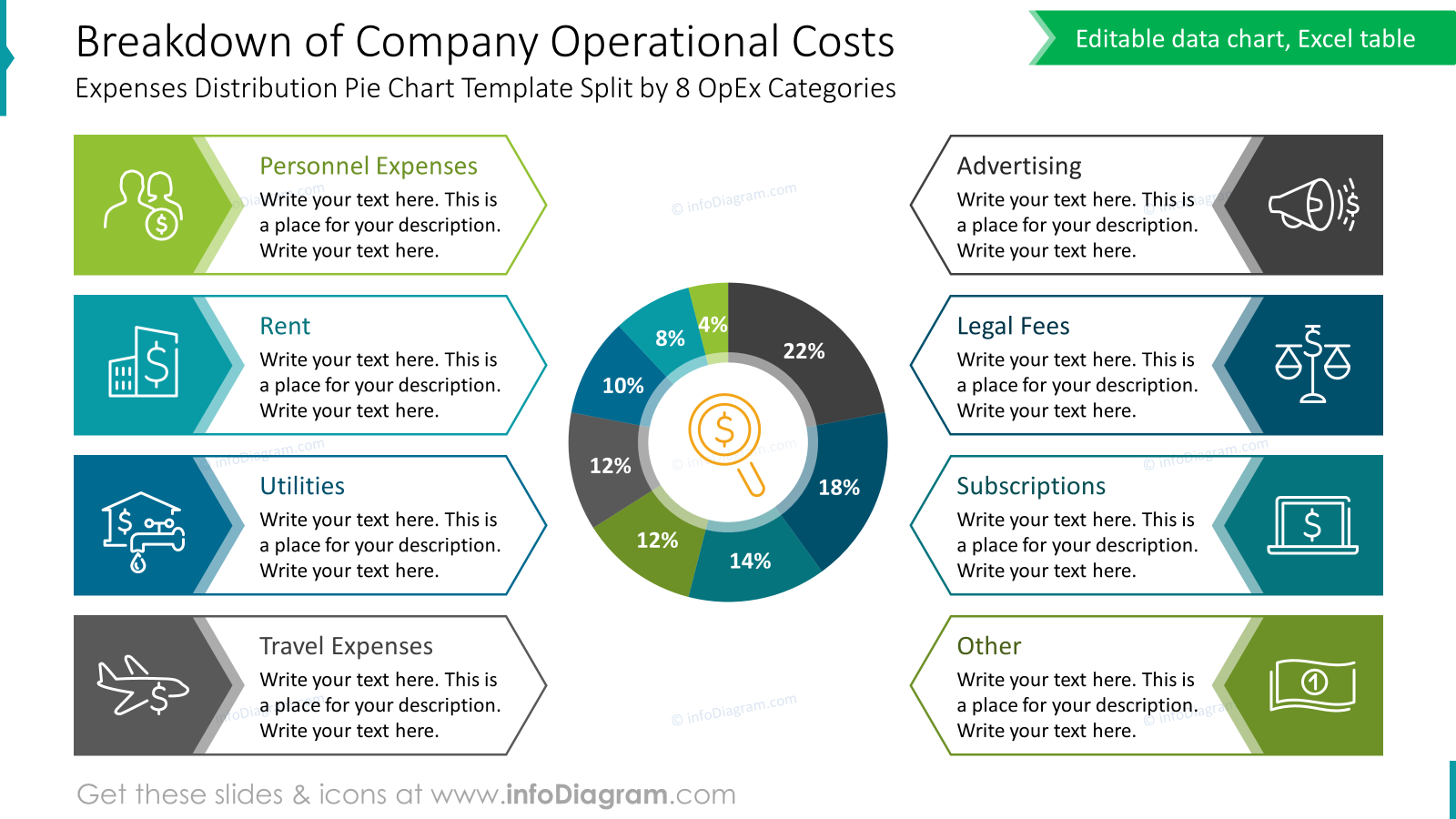
Operational expenditure breakdowns reveal that utilities and maintenance often comprise 20–30% of fixed costs in commercial and industrial facilities. Sustainable upgrades convert these into controllable, declining line items. Depreciation acceleration under bonus rules (still available in targeted scenarios) compounds the benefit. The result: stronger balance sheets, improved debt-service coverage ratios, and greater investor appeal.
Strategic Next Steps: Turning Credits into Competitive Advantage
Map your existing AI, solar, or efficiency investments against available tax credits. Then redeploy savings into patient-facing innovation—better diagnostics, shorter wait times, upgraded equipment. As strategy expert Michael Porter wrote, “The essence of strategy is choosing what not to do.”
“The essence of strategy is choosing what not to do.” — Michael Porter, Harvard
Comment on citation: Porter forces discipline. Credits create cash; strategy decides where it flows. Without focus, windfalls vanish. With focus, you build durable advantage.ater projects pay for themselves—faster than most assume.
Owners and engineers who partner early with qualified solar EPC firms and energy-efficiency consultancies secure not only compliance but also optimal incentive stacking. Early planning ensures prevailing-wage and apprenticeship requirements are met, unlocking maximum credit values before deadlines expire.
Conclusion
Sustainable projects are no longer cost centers—they are strategic cash-flow engines. By leveraging remaining green tax credits for solar energy and water-efficiency initiatives, corporate leaders can simultaneously reduce tax burdens, lower fixed operating costs, and future-proof their organizations. The window is closing: 2026 construction deadlines are firm.
The choice is clear. As visionary business thinkers remind us, “Sustainable development is the development that meets the needs of the present without compromising the ability of future generations to meet their own needs.” Aligning that vision with immediate financial returns has never been more achievable—or more urgent.
Consult your tax advisor and engineering partners today. The projects you greenlight now will define your company’s profitability and legacy for decades.
References
THOMSON REUTERS. Green energy tax credits survived OBBBA: Here is what businesses need to know. 2026. Available at: https://www.thomsonreuters.com/en-us/posts/sustainability/green-energy-tax-credits-survived/ [Accessed: 17 April 2026].
GREENLANCER. The History & Future of the Solar Tax Credit in 2026. 2026. Available at: https://www.greenlancer.com/post/solar-energy-tax-credit-2025 [Accessed: 17 April 2026].
U.S. INTERNAL REVENUE SERVICE. Energy Efficient Commercial Buildings Deduction – Section 179D. 2026. Available at: https://www.irs.gov/credits-deductions/energy-efficient-commercial-buildings-deduction [Accessed: 17 April 2026].
NOVOGRADAC. About Renewable Energy Tax Credits. 2026. Available at: https://www.novoco.com/resource-centers/renewable-energy-tax-credits/about-renewable-energy-tax-credits [Accessed: 17 April 2026].
ENERGY STAR. The Business Case for Energy-Efficient Buildings. 2026. Available at: https://www.energystar.gov/buildings/save-energy-commercial-buildings/finance-projects/business-case [Accessed: 17 April 2026].