




Discover how top-earning medical professionals are securing wealth and driving global change by investing in profitable green infrastructure projects, balancing high-yield returns with essential social impact.
“Capitalism has the power to shape society. When capital is directed toward solving the world’s most pressing issues, the returns are not just financial; they are generational.” — Anonymous Investment Strategist
For decades, the traditional investment portfolio for high-net-worth medical professionals leaned heavily on real estate, index funds, and pharmaceutical equities. Physicians, burdened by grueling schedules and complex tax brackets, historically favored passive, conventional wealth accumulation. However, a silent but powerful paradigm shift is currently reshaping wealth management. Today’s top-earning doctors are actively reallocating their capital into green infrastructure.
This pivot is not driven merely by philanthropy; it is a calculated, financially aggressive strategy. Green infrastructure—encompassing renewable energy facilities, sustainable water management systems, and electrified transport networks—has matured from a niche, socially conscious experiment into a powerhouse asset class. By offering inflation-hedged yields, aggressive tax incentives, and low correlation to volatile equity markets, green infrastructure is uniquely positioned to build institutional-level wealth.
The Financial Magnetism of Renewable Energy
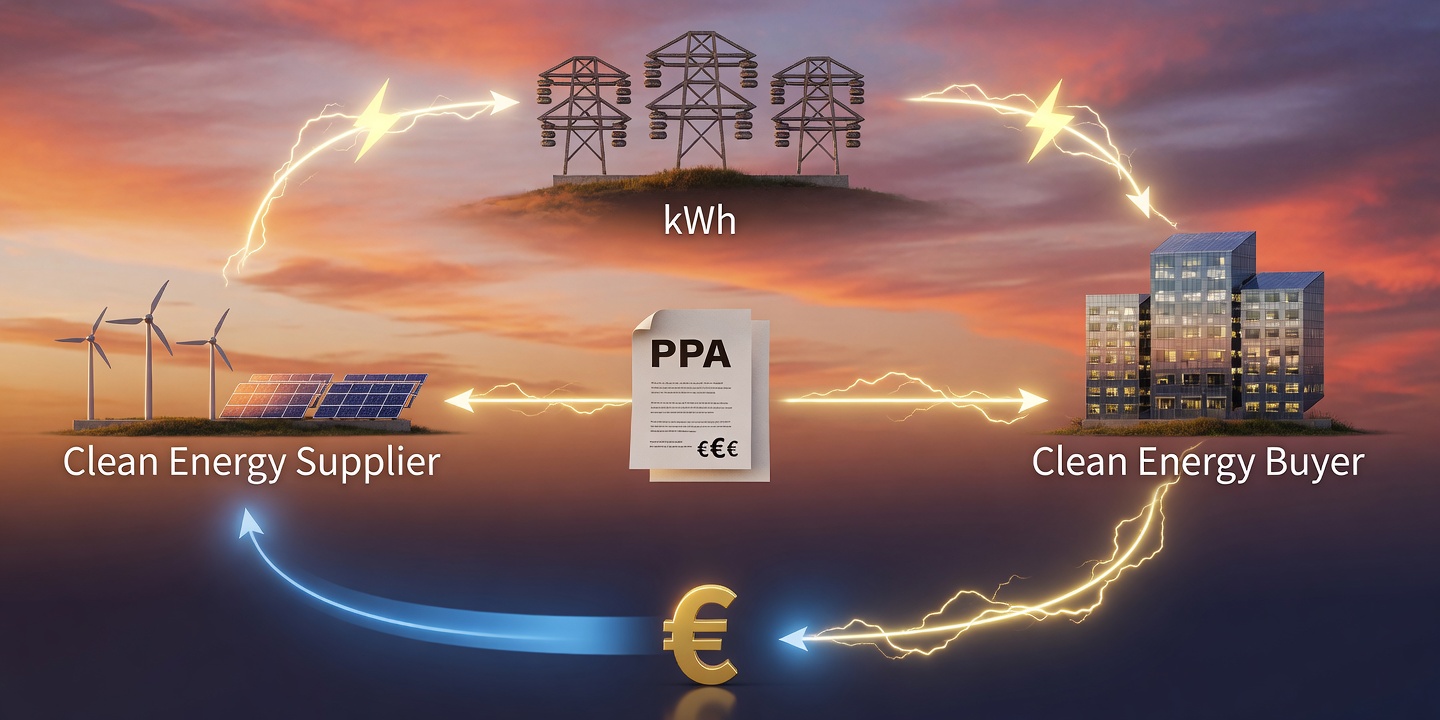
High-net-worth physicians are fundamentally driven by data and outcomes. When evaluating their portfolios, the metrics surrounding green infrastructure present a compelling case. Unlike speculative tech stocks or volatile crypto assets, green infrastructure projects are built on tangible assets backed by long-term contracts.
When a private equity fund or wealth management firm develops a utility-scale solar farm, the energy generated is often pre-sold to municipalities or corporations through Power Purchase Agreements (PPAs). These PPAs lock in revenue streams for 15 to 25 years. For a physician looking to secure their retirement or build multi-generational wealth, this translates to predictable, bond-like yields with the upside of equity ownership.
Furthermore, government policies worldwide, such as the Inflation Reduction Act in the United States or the European Green Deal, inject trillions of dollars into this sector. Investors reap the benefits of Investment Tax Credits (ITCs) and accelerated depreciation, which can significantly offset a high-earning physician’s substantial tax liability.
Risk Mitigation Through Tangible Assets

Engineers and financial analysts agree: infrastructure is historically resilient against inflation. Because green infrastructure services (electricity, water, waste management) are essential, demand remains inelastic regardless of economic downturns.
“Climate risk is investment risk. But conversely, climate transition is a historic investment opportunity.” — Larry Fink, CEO of BlackRock
For a physician whose primary income is tied to the healthcare sector, diversifying into hard assets provides a necessary macroeconomic hedge. Inflation often causes raw material and energy prices to rise; consequently, the revenue generated by green infrastructure projects scales proportionately. Wealth management firms are actively packaging these assets into specialized funds, allowing private investors to access deals previously reserved for sovereign wealth funds and massive pension plans.
This asset class provides a unique downside protection. Even if the broader stock market faces a prolonged bear cycle, the wind continues to blow, the sun continues to shine, and grid operators continue to pay for power.
The Confluence of Healing and ESG Impact

To understand the physician-investor, one must understand their core ethos. Medical professionals dedicate their lives to extending human life and mitigating suffering. The World Health Organization has explicitly stated that climate change is the single biggest health threat facing humanity.
By investing in Environmental, Social, and Governance (ESG) funds and green infrastructure, physicians align their wealth generation with their professional oath. There is a profound psychological dividend in knowing that one’s capital is actively working to reduce air pollution—thereby decreasing respiratory diseases—while simultaneously generating a 9% to 12% internal rate of return (IRR).
“The good physician treats the disease; the great physician treats the patient who has the disease.” — Sir William Osler.
In the modern context, the greatest physicians are realizing that to treat the patient, they must also invest in healing the environment the patient lives in. Investment banks have noted this trend, increasingly tailoring their pitches to high-net-worth medical professionals by highlighting both the robust financial metrics and the measurable carbon offset of their green portfolios.
Conclusion
The intersection of high-net-worth capital and green infrastructure is not a fleeting trend; it is the future of wealth architecture. Physicians are uniquely positioned to capitalize on this shift, utilizing their substantial capital to access premium investment vehicles that offer tax advantages, inflation protection, and stable, high-yield returns.
As wealth management and investment banking sectors continue to democratize access to institutional-grade green assets, we will see an accelerated flow of private capital into sustainable projects. For the financially astute physician, the question is no longer whether to invest in green infrastructure, but rather how quickly they can integrate these vital, profitable assets into their legacy portfolios.
References
-
Fink, L. (2020). A Fundamental Reshaping of Finance. BlackRock Annual Letter to CEOs.
-
International Energy Agency (IEA). (2023). World Energy Investment Report: The Rise of Clean Energy Capital.
-
World Health Organization (WHO). (2021). Climate Change and Health: Fact Sheet.
-
Inderst, G. (2010). Infrastructure as an Asset Class. European Investment Bank Papers, 15(1), 76-104.
-
Esty, D. C., & Winston, A. S. (2009). Green to Gold: How Smart Companies Use Environmental Strategy to Innovate, Create Value, and Build Competitive Advantage. John Wiley & Sons. (Book)
-
Bielenberg, A., et al. (2016). Financing Change: How to Mobilize Private Sector Financing for Sustainable Infrastructure. McKinsey Center for Business and Environment. (PDF Report)
-
The Journal of Wealth Management. (2022). Portfolio Diversification Through Renewable Energy Assets in High-Net-Worth Profiles. Vol. 25, Issue 3.