




In today’s high-pressure healthcare environment, staffing costs represent one of the largest controllable expenses for clinics and private practices. Predictive analytics transforms reactive scheduling into proactive, data-driven decisions—delivering measurable ROI through reduced overtime, minimized under- or over-staffing, and sustained patient care quality. Clinic owners and physicians who adopt these tools consistently report 8–12% labor cost savings without compromising outcomes.
compromising outcomes.
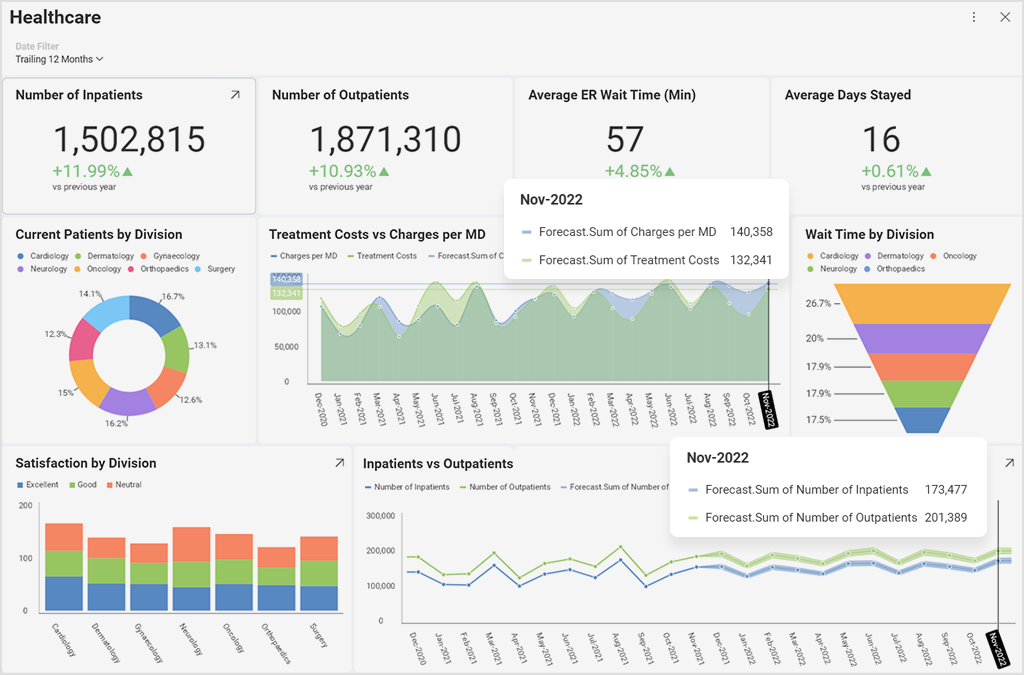
Staffing remains the single largest operational expense in most clinics and medical practices—often accounting for 50–60% of total costs. Yet traditional scheduling relies on historical averages and guesswork, leading to chronic overtime, idle staff during lulls, and preventable burnout. Predictive analytics changes the equation entirely. By analyzing historical patient volumes, seasonal trends, appointment no-show rates, local events, and real-time data, these tools forecast demand with remarkable accuracy. The result? Optimized staffing levels that cut labor costs while maintaining or improving patient throughput and satisfaction.
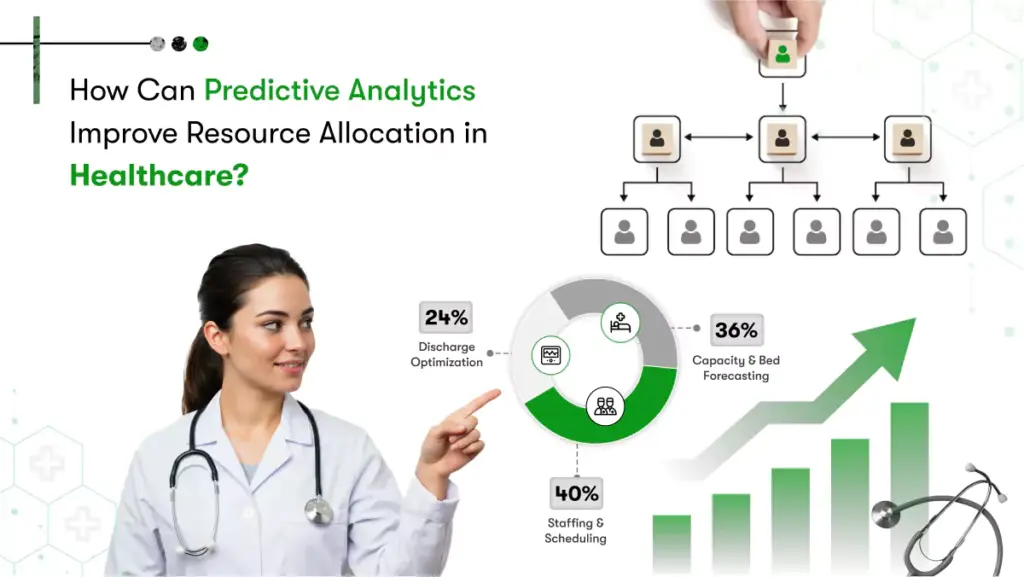
As management pioneer Peter Drucker famously noted, “What gets measured gets managed.” In healthcare operations, predictive analytics provides the precise measurement needed to manage staffing costs proactively rather than reactively—turning data into a powerful competitive advantage for clinic owners and physicians.
The Power of Predictive Analytics in Forecasting Staffing Needs
Predictive models ingest years of EHR data, appointment logs, weather patterns, and even local epidemiology to generate shift-by-shift forecasts. Clinics can anticipate Monday morning surges, Friday afternoon dips, or flu-season spikes weeks in advance. This foresight eliminates the costly cycle of last-minute agency nurses (often 2–3× regular rates) and excessive overtime.
One leading study highlighted that predictive workforce analytics enables hospitals and clinics to achieve up to 10% reduction in labor costs by optimizing scheduling and reducing unnecessary overtime. Similar research documented 12% savings in labor costs through better alignment of staff with actual patient demand.
For clinic owners, this means fewer “just-in-case” shifts and more precise float-pool deployment—directly improving operational ROI without reducing headcount or care quality.
“The best way to predict the future is to create it.” — Abraham Lincoln (adapted to modern operations: the best way to control staffing costs is to predict them accurately).
Quantifying the ROI: Real Cost Reductions Achieved
Real-world implementations deliver clear, bankable results. Cleveland Clinic reduced emergency department wait times by 13% through predictive staffing models, improving both efficiency and patient experience. Houston Methodist Hospital cut last-minute shift changes by 22%, significantly lowering nurse burnout and associated turnover costs.
A midwestern primary care network achieved 32% reduction in staff overtime and 18% lower supply costs via resource-allocation optimization, generating $342,000 in annual savings against a $95,000 implementation cost—delivering a 360% first-year ROI.
These gains compound: lower overtime → reduced burnout → lower turnover → decreased recruitment and onboarding expenses. The operational ROI becomes self-reinforcing, freeing capital for technology upgrades, facility improvements, or physician compensation.
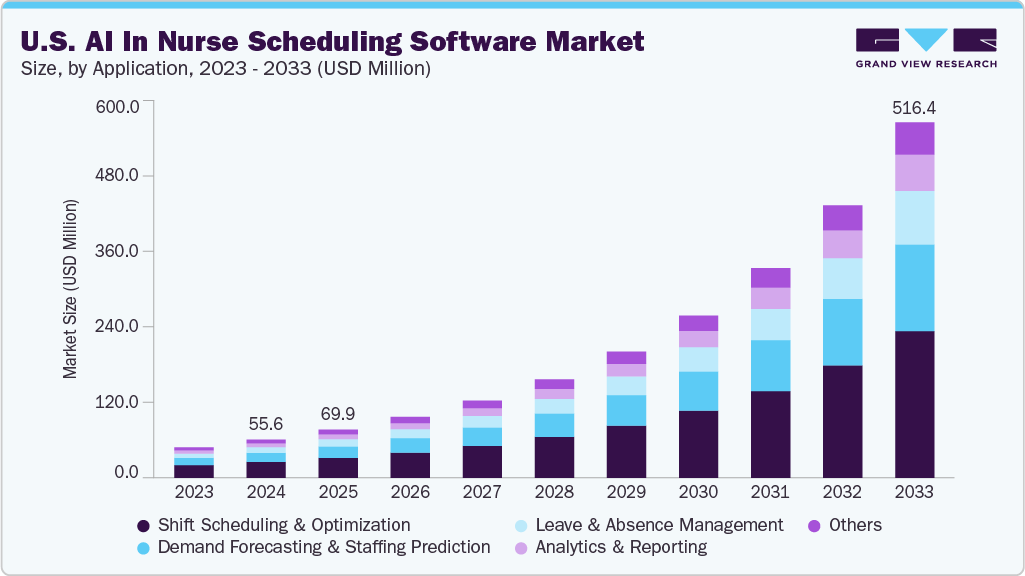
Practical Steps to Implement Predictive Analytics in Your Clinic
Start small: identify one recurring problem—no-shows, readmissions, or delayed diagnoses. Train your staff on a pilot AI module. Integrate it with your EHR for real-time risk scoring. Review outcomes weekly. Scale what works. As physician and innovator Eric Topol writes, “The best AI will augment, not replace, the human clinician.” Predictive analytics is not magic; it’s disciplined pattern recognition applied to your own data.
“The best AI will augment, not replace, the human clinician.” — Eric Topol, MD
Finally, partner with vendors who offer transparent algorithms and ongoing support. Measure ROI in time saved and lives improved. Your clinic’s future runs on prediction, not reaction.
- Audit current data sources — Integrate EHR, scheduling software, and billing systems.
- Choose scalable tools — Cloud-based platforms with pre-built healthcare models require minimal IT overhead.
- Pilot on one department — Start with high-volume areas (e.g., primary care or urgent care) to demonstrate quick wins.
- Train and involve staff — Physicians and administrators who understand the “why” behind forecasts adopt changes faster.
- Monitor KPIs — Track overtime percentage, staff-to-patient ratio, no-show adjustments, and labor cost per patient visit.
Implementation typically pays for itself within 6–9 months through measurable cost reductions alone.
Motivational insight: As W. Edwards Deming, the father of modern quality management, observed: “In God we trust; all others must bring data.” Predictive analytics equips clinic leaders with exactly that data—turning intuition into precision and cost leakage into measurable ROI.
Conclusion
Predictive analytics is no longer a futuristic luxury—it is a proven operational necessity for clinics and practices serious about controlling costs while delivering exceptional care. By forecasting demand, optimizing schedules, and quantifying every staffing decision, physicians and clinic owners achieve sustainable cost reductions of 8–12% in labor expenses, higher staff satisfaction, and stronger financial health.
The clinics that embrace these tools today will lead tomorrow’s healthcare market—not just by surviving rising costs, but by thriving through superior operational efficiency and patient-centered excellence.
Ready to transform your staffing costs into measurable ROI? The data is clear: predictive analytics delivers results.
References
- ShiftMed. (2024). Cost-Saving Strategies: Predictive Analytics for Healthcare Staffing. https://www.shiftmed.com/insights/knowledge-center/predictive-analytics-for-healthcare-staffing/
- International Journal of Innovative Research in Social Sciences (IJIRSS). (2025). Strategies for cost reduction and improved outcomes. Evidence of 12% labor cost savings via predictive staffing optimization.
- Healthcare Financial Management Association (HFMA) referenced studies on 10% labor cost reduction through predictive workforce analytics.
- Tandon, R. (2025). Healthcare Analytics. StatPearls [Internet]. NCBI Bookshelf. Predictive analytics for staffing optimization and operational efficiency.
-
Topol, E. J. (2019). Deep Medicine: How Artificial Intelligence Can Make Healthcare Human Again. Basic Books.