



Precision, Speed, and Intelligence – The New Era of Oncology
How machine learning and advanced imaging are reshaping cancer detection, achieving unprecedented precision in early-stage diagnosis, and redefining oncology care worldwide in the age of intelligent medicine. From autonomous AI triage to deep learning models that outperform radiologist panels, these technologies are not only improving accuracy but also expanding access, reducing diagnostic delays, and cutting costs across healthcare systems. As intelligent algorithms continue to evolve, they are transforming cancer detection from a reactive process into a proactive, data-driven standard of care.
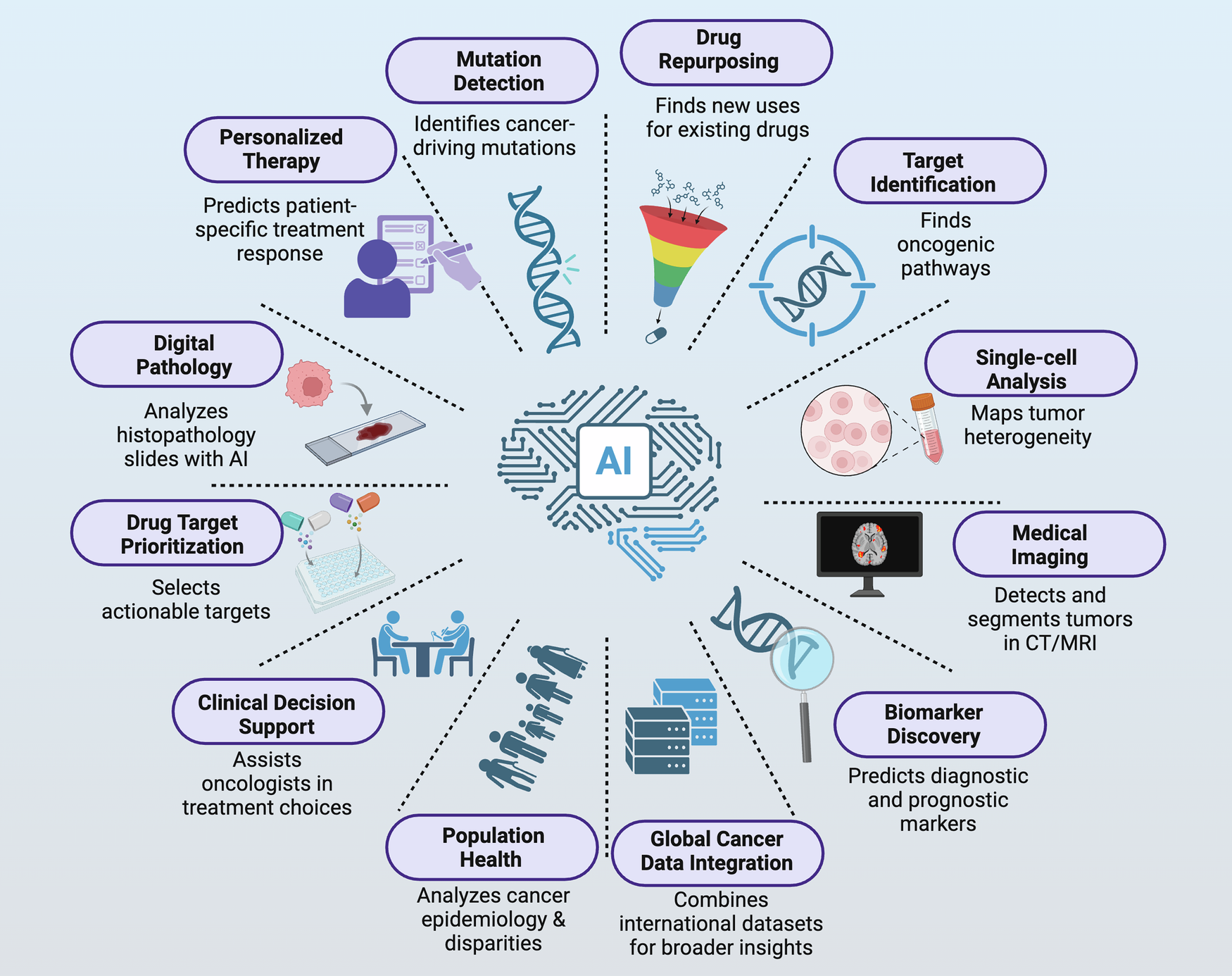
Cancer remains one of the most formidable challenges in modern medicine. However, artificial intelligence is fundamentally transforming the way clinicians detect, classify, and respond to malignant tumors. In 2026, AI-powered diagnostic systems have moved well beyond experimental laboratories and into everyday clinical workflows, consequently establishing themselves as an indispensable tool in oncology departments worldwide. As a result, early detection rates have soared, while false-positive readings have declined to historically low levels.
Furthermore, the convergence of deep learning, medical imaging, and genomic analysis has given rise to a new diagnostic paradigm. Radiologists and oncologists now collaborate with AI co-pilots that analyze mammograms, CT scans, MRIs, and pathology slides in seconds — rather than hours. Moreover, these systems continuously learn from millions of anonymized patient records, thereby improving their accuracy with every scan they process. In this context, AI diagnostics have truly become the new gold standard.
This article explores the transformative technologies behind AI-assisted oncology, examines the evidence supporting their clinical impact, and considers the ethical and regulatory frameworks that guide their deployment. Additionally, it highlights the voices of leading researchers and thinkers who are shaping this revolution.
1. From Screening to Certainty: AI-Powered Early Detection
Traditional cancer screening programs, while valuable, have long been constrained by human limitations. Radiologists reviewing hundreds of mammograms or chest X-rays daily inevitably face fatigue, consequently leading to missed lesions or unnecessary biopsies. According to the World Health Organization, approximately 20% of cancers detectable on imaging are initially overlooked in conventional workflows
1
. However, AI models trained on vast datasets have demonstrated the ability to reduce these errors significantly.
In particular, Google Health’s landmark study published in Nature showed that an AI system outperformed six certified radiologists in breast cancer detection, reducing false negatives by 9.4% and false positives by 5.7% across American and British patient populations
5
. Since then, subsequent models have built upon these results; therefore, by 2026, multi-cancer early detection (MCED) platforms powered by deep learning can simultaneously screen for over 50 cancer types through a combination of liquid biopsies and imaging biomarkers.
“The greatest danger in medicine is not ignorance — it is the illusion of knowledge. AI removes that illusion by revealing patterns hidden from the human eye”.
Dr. Eric Topol — Author of Deep Medicine
Moreover, the integration of convolutional neural networks (CNNs) with 3D imaging has enabled AI to detect tumors as small as 2 mm in diameter — well below the threshold of reliable human detection. This capability is particularly significant for lung cancer, where early identification of sub-centimeter nodules can increase five-year survival rates from 18% to over 75%. Consequently, health systems in Japan, South Korea, and Northern Europe have adopted AI-first screening protocols for high-risk populations.
As a result of these advances, the concept of “preventive oncology” has gained traction. Rather than waiting for symptomatic presentation, clinicians can now intervene at the molecular stage. In addition, the U.S. 21st Century Cures Act has facilitated the regulatory pathway for AI-based diagnostics, thereby accelerating their adoption across healthcare systems
6
.
2. Precision Pathology: When Algorithms Meet Tissue Analysis
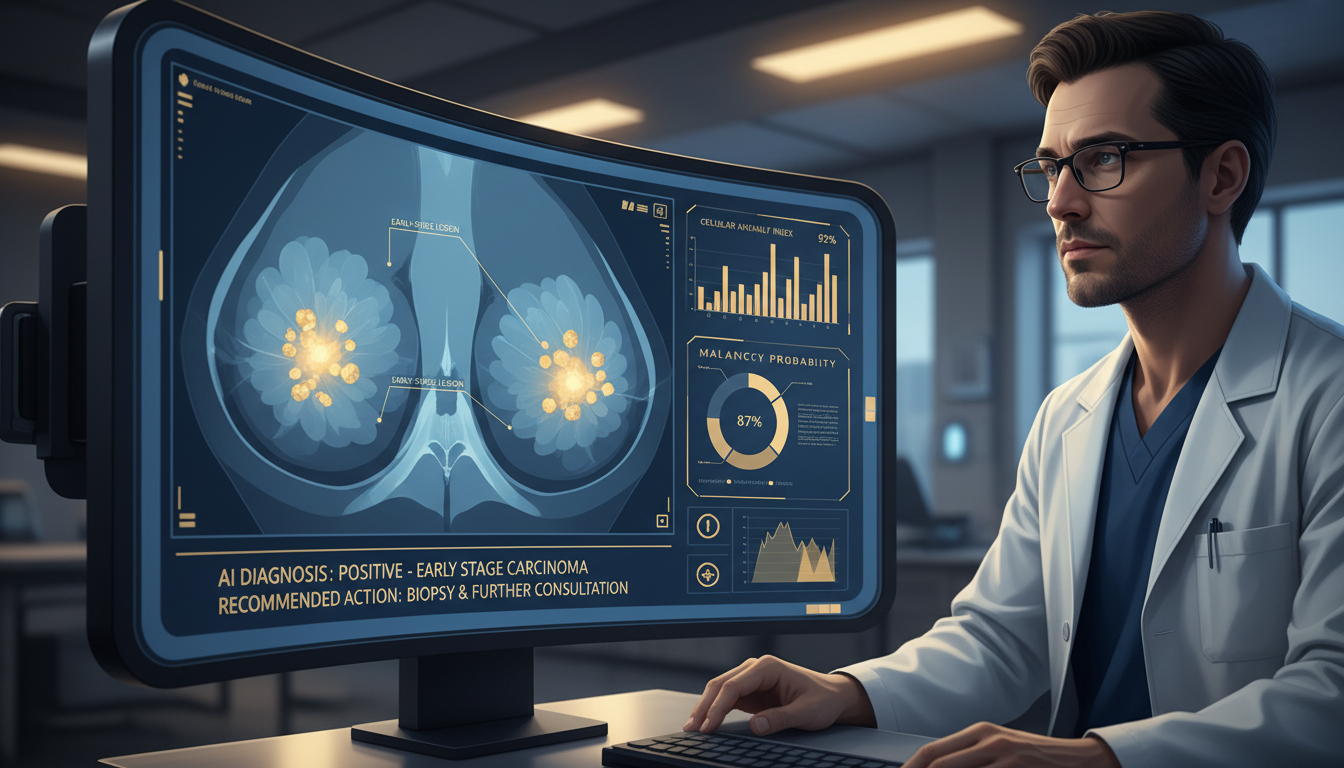
Beyond radiology, AI has made equally transformative inroads into histopathology — the microscopic examination of tissue samples that ultimately confirms a cancer diagnosis. Traditionally, pathologists examine stained tissue slides under a microscope, a process that is both time-intensive and subject to inter-observer variability. Nevertheless, AI-powered digital pathology platforms now analyze whole-slide images (WSIs) with remarkable speed and consistency.
For instance, Esteva et al. demonstrated in their pivotal Nature study that a deep learning algorithm could classify skin cancers at a level comparable to board-certified dermatologists
7
. Subsequently, similar architectures have been adapted for breast, prostate, colorectal, and lung pathology. In 2026, these systems not only identify malignant cells but also grade tumors, predict genomic profiles, and estimate patient prognosis — all from a single digitized slide.
“Any sufficiently advanced technology is indistinguishable from magic. In oncology, that magic now saves lives before patients even feel ill”.
Arthur C. Clarke — Adapted from Clarke’s Third Law
Importantly, the European Union’s Artificial Intelligence Act (Regulation 2024/1689) classifies AI diagnostic tools as high-risk systems, thereby requiring rigorous clinical validation, continuous monitoring, and transparent documentation before market deployment
3
. This regulatory framework ensures that precision is never sacrificed for speed. Furthermore, the FDA’s pre-certification program now includes specific benchmarks for AI pathology tools, thus creating a standardized quality baseline
4
.
In addition, the fusion of AI pathology with genomic data has given rise to “computational oncology” — a field where algorithms correlate histological patterns with genetic mutations to recommend targeted therapies. Consequently, treatment plans are becoming increasingly personalized, and clinicians can identify the most effective drug combinations within days rather than weeks.
3. Ethics, Equity, and the Future of Human-AI Collaboration
While the clinical benefits of AI in oncology are compelling, the technology also raises profound ethical questions. Who is responsible when an algorithm misses a tumor? How do we ensure that AI models trained predominantly on data from wealthy nations perform equally well in low-resource settings? These questions are not merely academic; on the contrary, they shape policy decisions that affect millions of patients worldwide.
Brazil’s ANVISA, for example, introduced Resolution RDC No. 741/2025 to regulate software as a medical device (SaMD) with AI functions, thereby establishing clear accountability chains and requiring bias audits before clinical deployment
8
. Similarly, international health bodies have emphasized the need for diverse training datasets to prevent algorithmic bias. As a result, collaborative data-sharing initiatives now span over 40 countries, ensuring that AI models reflect the full spectrum of human biology.
“The measure of intelligence is the ability to change. In medicine, AI represents our greatest capacity for change — and our greatest responsibility.”
Albert Einstein — Adapted for the age of medical AI
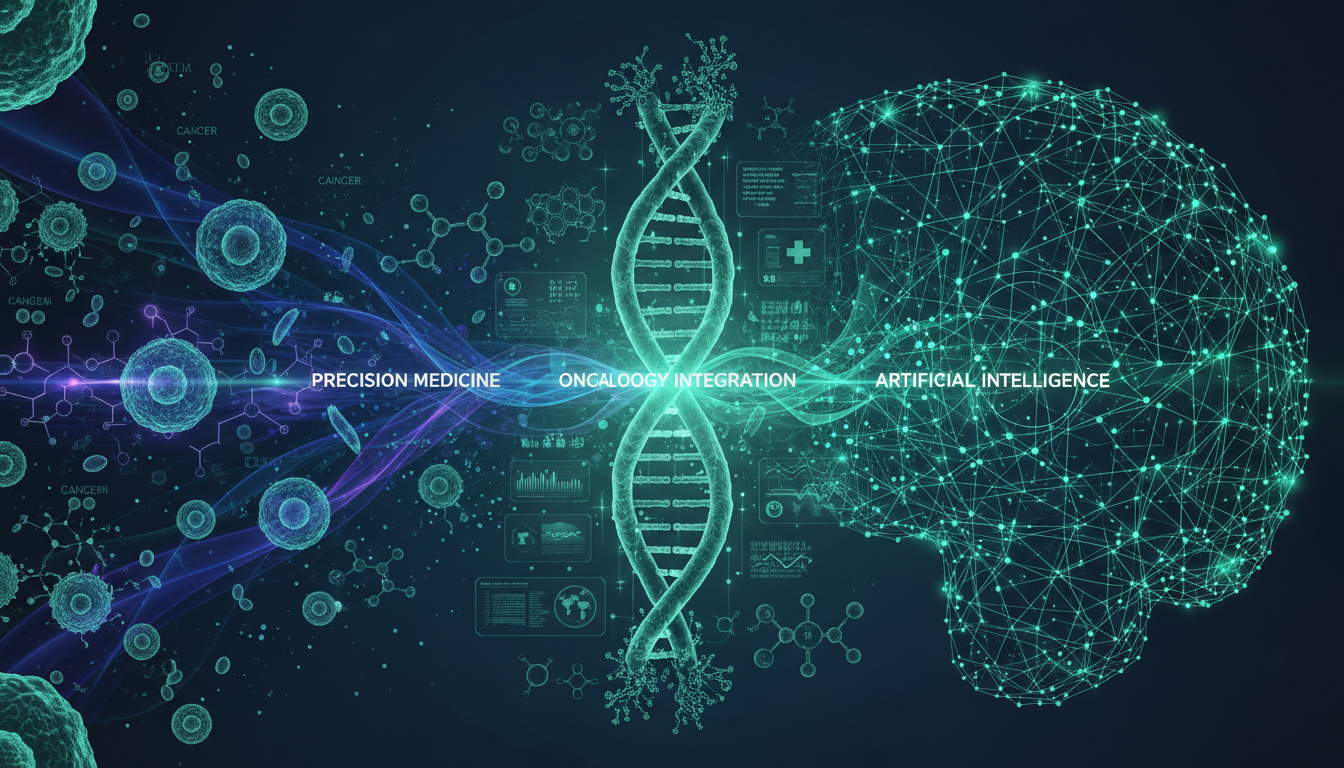
Moreover, the future of oncology AI lies not in replacing physicians but in augmenting their capabilities. The most successful implementations worldwide follow a “human-in-the-loop” model, where AI generates preliminary analyses that clinicians review, validate, and refine. This collaborative approach preserves clinical judgment while harnessing computational power; therefore, diagnostic accuracy and patient trust improve simultaneously.
Looking ahead, federated learning — a technique where AI models train across distributed hospital networks without sharing raw patient data — promises to solve the privacy-versus-progress dilemma. Consequently, by 2028, experts predict that every major cancer center worldwide will employ AI diagnostics as a first-line tool, thus completing the transition from experimental technology to universal standard of care.
Conclusion: A New Era for Oncology Is Here
In summary, AI diagnostics in 2026 represent far more than a technological novelty — they embody a fundamental shift in how humanity confronts cancer. From early detection algorithms that identify tumors invisible to the human eye, to precision pathology platforms that predict treatment outcomes from a single tissue slide, the evidence is overwhelming: artificial intelligence has earned its place as the new gold standard in oncology.
Nevertheless, realizing the full promise of this technology demands vigilance. Robust regulatory frameworks, equitable data practices, and a commitment to the human-AI partnership are essential. Furthermore, continuous investment in research and cross-border collaboration will determine whether these advances reach every patient who needs them — not just those in privileged healthcare systems.
Ultimately, the story of AI in oncology is a story about hope — hope grounded in data, powered by innovation, and guided by the enduring conviction that every life is worth fighting for. As we stand at the threshold of this new era, one truth is clear: the future of cancer diagnosis is intelligent, and it is already here.
References